NexCore
NexCore
NexCore
High-performance server chassis, robust memory channels, and redundant power infrastructure tailored for high-ambient regional deployments.


As Namibia enters a new phase of economic diversification under the Harambee Prosperity Plan II and the national digital transition strategies, the demand for enterprise computing infrastructure has grown exponentially. From the financial institutions concentrated in Windhoek to the shipping hubs of Walvis Bay, and the extensive mining and exploration programs across Erongo, server reliability has become the bottom-line metric for digital viability.
At the center of this technological paradigm is the need for stable, high-density, Error-Correcting Code (ECC) Server RAM. In high-density database management, virtualization, and IoT industrial telemetry, memory failures cost millions in lost uptime. NexCore Intelligent Technology Co., Ltd. provides specialized DRAM and server integration strategies engineered to withstand thermal challenges while offering the throughput required by next-generation networks.
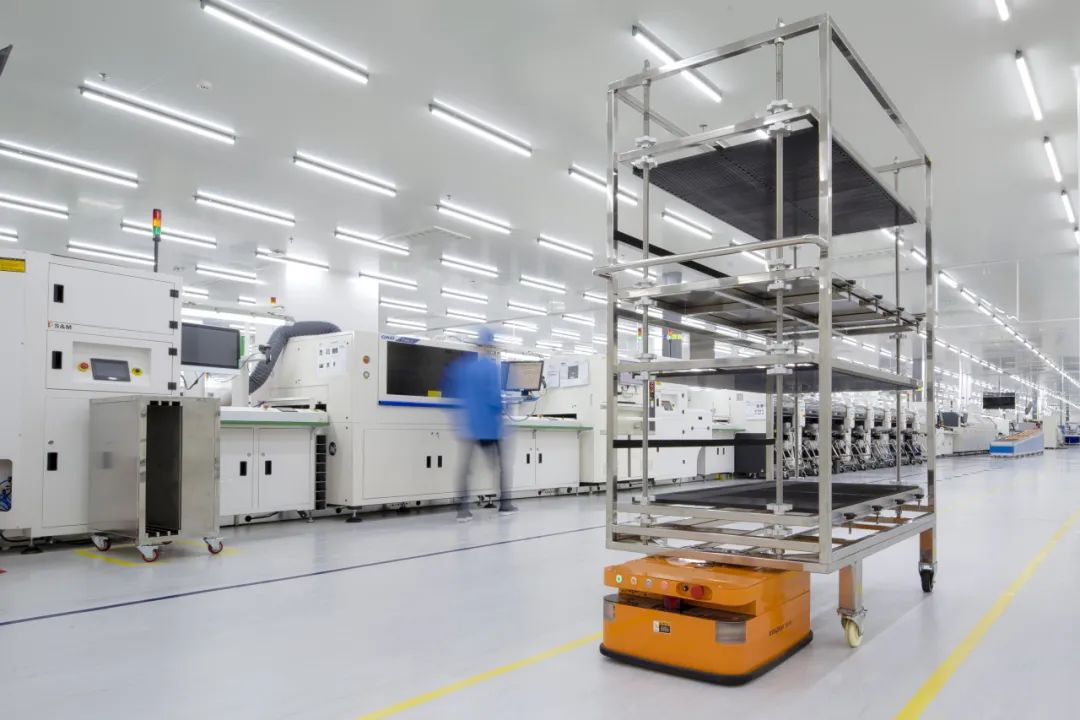
How high-performance DRAM scaling drives efficiency across Namibia's core economic pillars.
Namibia's mining sectors (uranium, diamonds, gold) utilize spatial mapping engines that process terabytes of sensor data. Server arrays must utilize multi-channel RDIMMs with raw read-write speeds exceeding 4800MT/s to compute geological profiles without bottlenecks.
With Windhoek rising as a regional fintech hub, core banking databases run real-time microtransactions. High-density RAM configurations like 64GB DDR5 modules allow core servers to maintain high IOPS transactions within RAM disk files, minimizing access times to NVMe storage layers.
The Walvis Bay port expansion acts as a critical ocean gateway for landlocked SADC economies. Real-time shipping lane monitoring, customs systems, and supply-chain logistics require high-uptime VM infrastructures that scale easily using modular RDIMMs.
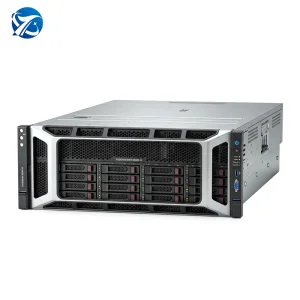
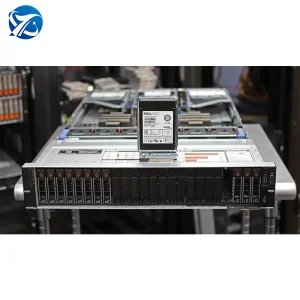
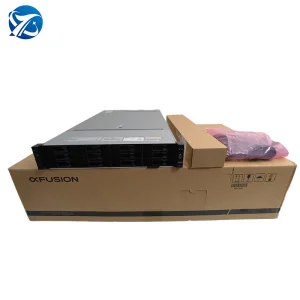
Optimized platforms designed to integrate seamlessly with custom high-capacity RAM arrays.
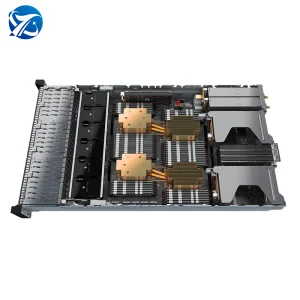
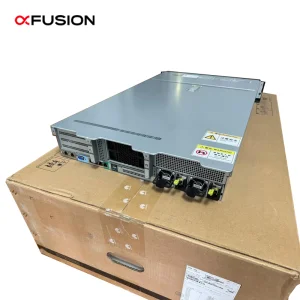
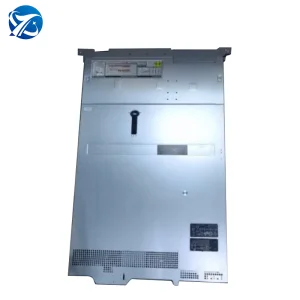
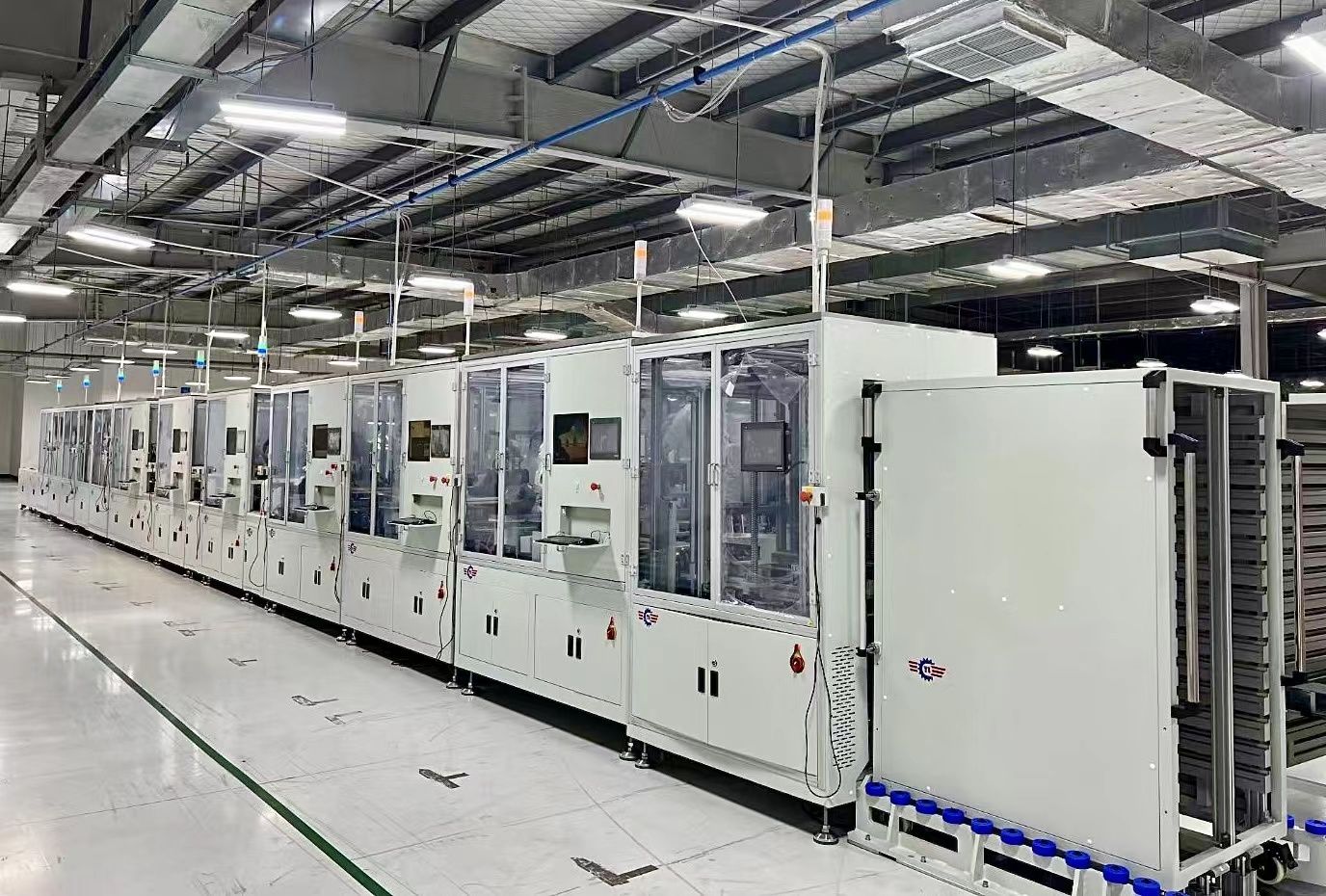
Established in 2017 in Shenzhen, China, NexCore Intelligent Technology Co., Ltd. has spent nearly a decade developing high-performance server architectures, memory optimizations, and localized computing topologies. Our production facilities, supported by 128 R&D engineers, develop configurations optimized for complex cloud storage, virtual machine hosts, and localized high-density computational nodes.
For the Namibian market, we address critical challenges related to component sourcing, trade logistics, and system operations. Since data centers in Southern Africa face shipping delays, component failures can halt operations. To counter this, NexCore enforces strict hardware verification. Each memory module and server chassis undergoes multi-day stress testing, including thermal simulation up to 45°C, full-capacity diagnostic sweeps, and electrical load variance tests.
By keeping over 1,250 qualified supply chain relationships active, we can source Tier-1 DRAM silicon directly from top-tier fabrication plants. This ensures that every RDIMM or LRDIMM shipped to Windhoek contains identical silicon lots, matching latency profiles and preventing compatibility issues.
For Namibian enterprise clients designing compute clusters, deciding between DDR4 and DDR5 memory channels is critical. Modern processors, such as AMD EPYC™ Genoa and 4th/5th Gen Intel® Xeon® Scalable processors, require DDR5 memory. The table below outlines the core technical advantages of DDR5 RDIMMs for enterprise workloads:
| Feature Specification | DDR4 RDIMM | DDR5 RDIMM | Workload Benefit |
|---|---|---|---|
| Data Rates (MT/s) | 1600 - 3200 MT/s | 4800 - 6400+ MT/s | Up to 2x memory bandwidth enhancement for large VM databases. |
| Operating Voltage | 1.2V | 1.1V | Reduces overall heat signature and power usage in data centers. |
| On-DIMM Power Management | Managed by Motherboard (MB) | PMIC (On-Module Power IC) | Provides cleaner power signals, reducing noise and increasing margins. |
| ECC Architecture | System-Level ECC | On-Die ECC + System-Level | Provides dual-layer protection against bit-flips, reducing system lockups. |
Data centers in Namibia often operate in dry environments with high seasonal temperatures. As temperatures rise, silicon susceptibility to leakage increases, which can cause soft errors in memory registers. In standard systems, thermal expansion can warp contact pins, resulting in intermittent slot connectivity issues.
NexCore addresses these environmental issues directly:
Shipping advanced computing components to Namibia requires navigating customs and compliance frameworks. NexCore works with logistics partners to ensure smooth delivery across South Africa, Botswana, Angola, and direct entry through the Port of Walvis Bay or Hosea Kutako International Airport.
We also provide customs documentation, HS Code indexing (8473.30 for memory components, 8471.50 for computing units), and commercial invoices to simplify customs clearance at entry ports.
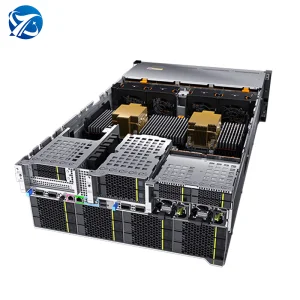
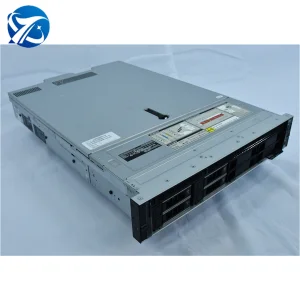
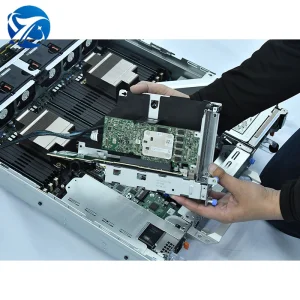
From edge computing units and backup systems to multi-channel AI servers, these models support memory upgrades and custom configurations.

Technical inquiries regarding memory installation, specifications, and shipping to the Namibian market.
Contact our engineering and hardware team for custom memory solutions, server chassis matching, or to request a project quotation.
Send Inquiry Now