NexCore
NexCore
NexCore
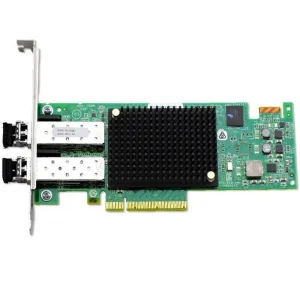
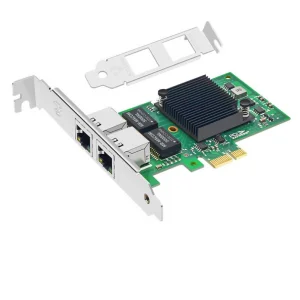
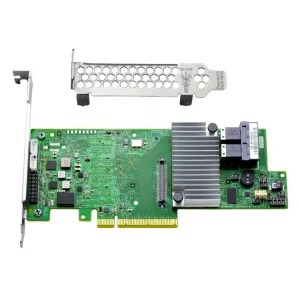
In the era of LLMs (Large Language Models), the bottleneck is no longer just CPU cycles but data throughput. Modern server accessories like PCIe 4.0/5.0 RAID controllers and 32Gb/s HBA cards are essential for reducing latency in NVMe storage pools. As a leading server accessories factory, we emphasize the "Data-Centric" architecture where interconnects determine the overall system efficiency.
Based in Shenzhen, the global silicon hub, we leverage an unmatched ecosystem for rapid prototyping and mass production. Our factory provides an 18% average cost reduction compared to western-assembled components without compromising on EEAT-compliant quality standards. We offer JIT (Just-In-Time) manufacturing to sync with global supply chain demands.
The industry is shifting towards Liquid Cooling compatible components and SmartNICs. We are currently integrating AI-driven diagnostic chips into our RAID controllers to predict drive failure before it occurs, providing a massive reliability boost for hyperscale data centers.
High-density GPU server components, including 2000W+ platinum PSUs and high-speed NVMe SSDs to handle massive dataset ingestion.
Compact form-factor RAID cards and industrial-grade storage optimized for low-power, high-reliability environments.
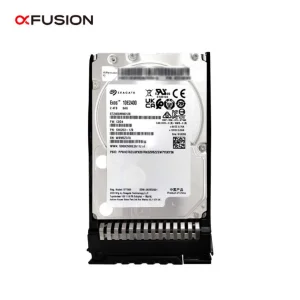
Low-latency HBA cards and mission-critical SAS drives with redundant RAID configurations for 99.999% uptime.
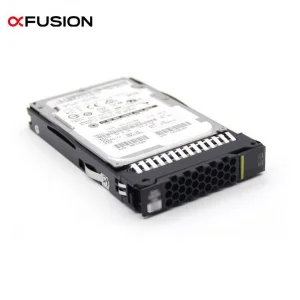
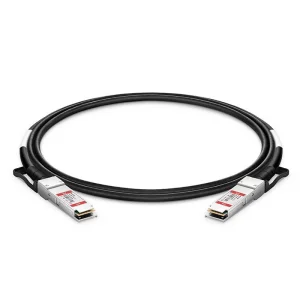
Bulk supply of standardized server trays, direct-attach cables (DAC), and high-capacity NL-SAS drives for cold storage tiering.
NexCore Intelligent Technology Co., Ltd. is a professional AI server manufacturer and solution provider established in 2017. Headquartered in Shenzhen, China, we specialize in high-performance GPU servers, AI training servers, and customized computing infrastructure solutions.
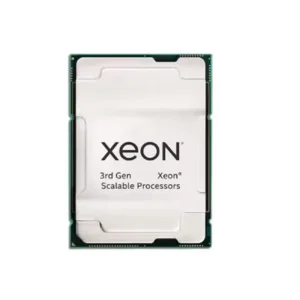
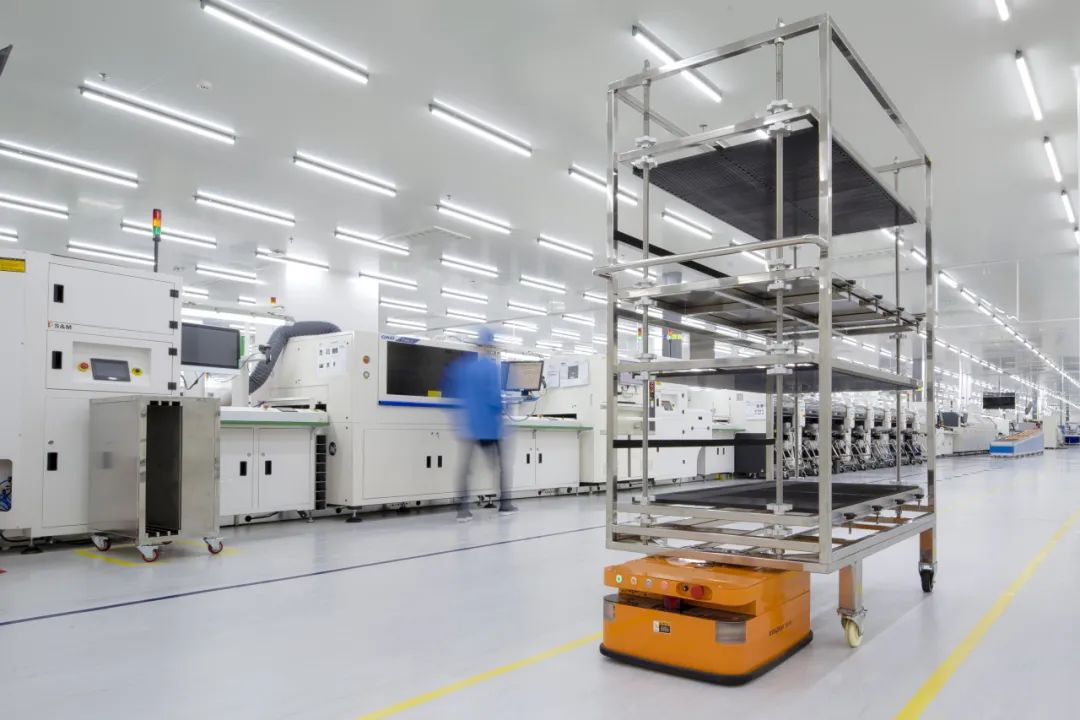
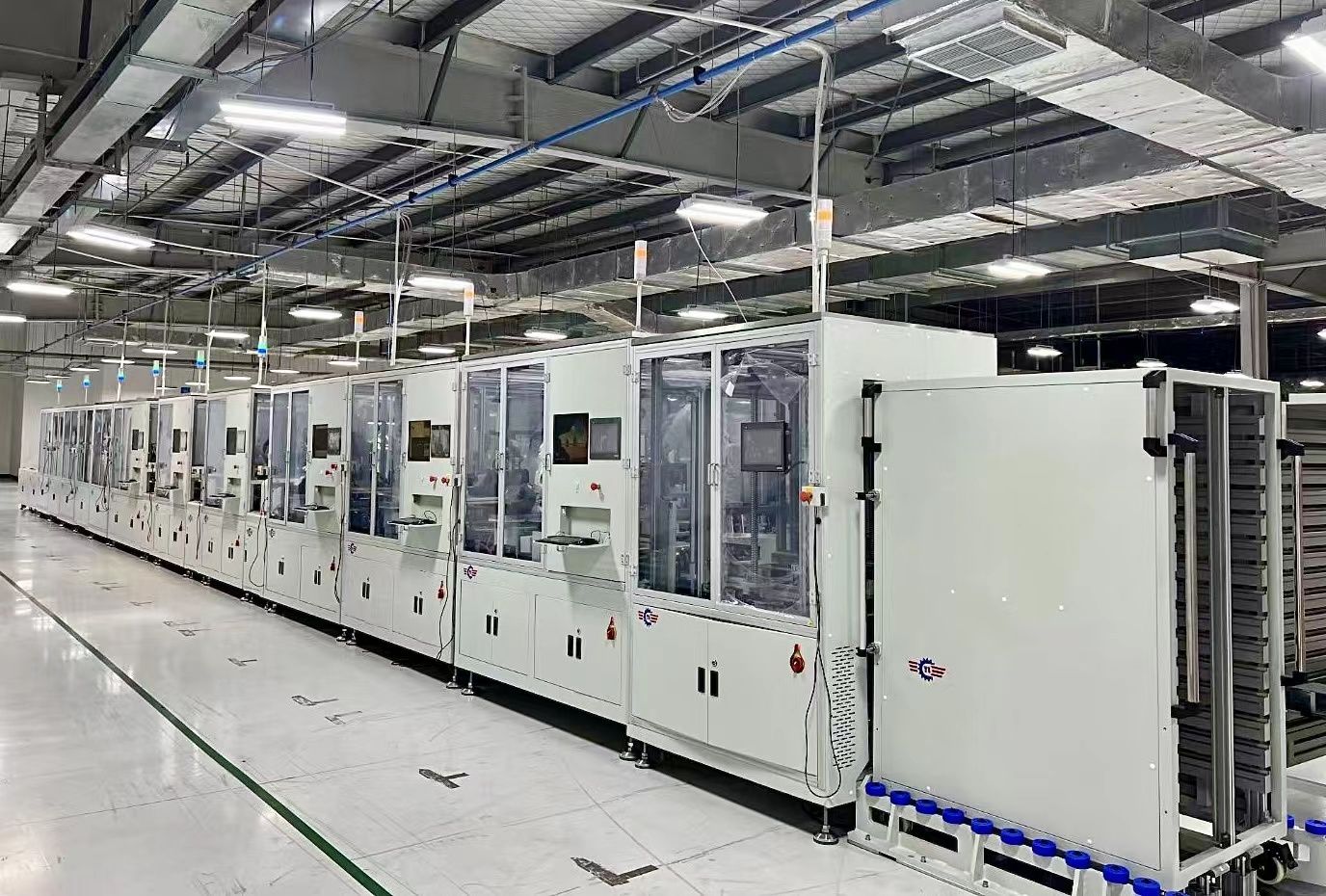
With a modern production facility and a dedicated team of 46 quality control personnel, every component—from the 9560-16i RAID card to the Xeon CPU—undergoes comprehensive thermal, burn-in, and integration testing.
Our OEM/ODM services allow global enterprises to customize chassis design, storage architecture, and branding, ensuring the hardware perfectly matches the specific workload requirements of Machine Learning and Deep Learning applications.
Enterprise IT departments are moving away from proprietary lock-in toward "Open Infrastructure" standards. Procurement directors now prioritize: