NexCore
NexCore
NexCore
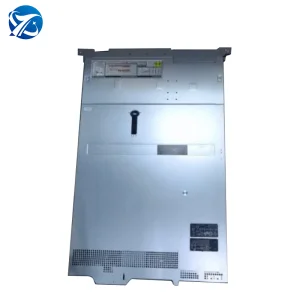
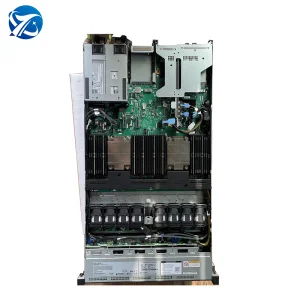
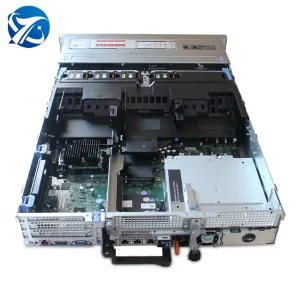
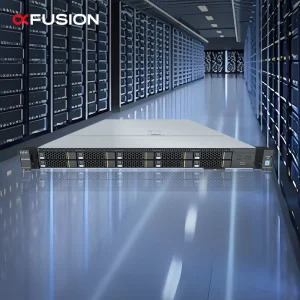
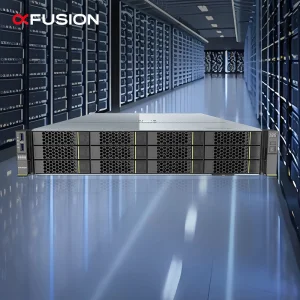
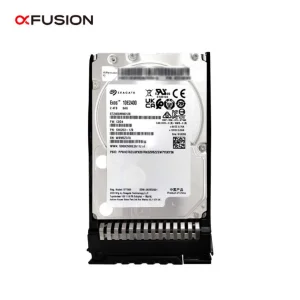
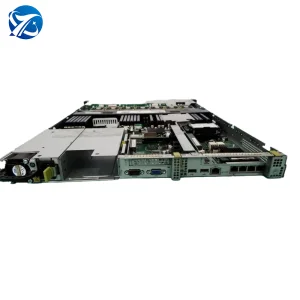
NexCore Intelligent Technology Co., Ltd. stands as a preeminent pioneer in the artificial intelligence computing landscape, serving as a dedicated AI server manufacturer and comprehensive architecture solutions provider. Established in 2017 and headquartered within the global technological hardware epicenter of Shenzhen, China, NexCore operations cover a modern production and development facility specialized in creating advanced GPU servers, high-density AI training cluster components, high-performance computing (HPC) nodes, and customized hardware configurations.
Backed by a core legacy featuring 9 years of direct computer hardware development experience and 6 years of international trade operations, NexCore has successfully forged an authoritative path in exporting premium computing assets. Averaging an annual export revenue of over USD $18 million, the company directly serves system integrators, public cloud operators, high-end scientific labs, and AI software developers across North America, Europe, the Middle East, Southeast Asia, and Oceania.
Tailored structural, processing, power, storage, and networking designs configured specifically to scale alongside large language model (LLM) processing requirements.
Fully verified thermal parameters, stress-testing tolerances, and electrical stability overseen by a dedicated team of 46 Quality Control specialists.
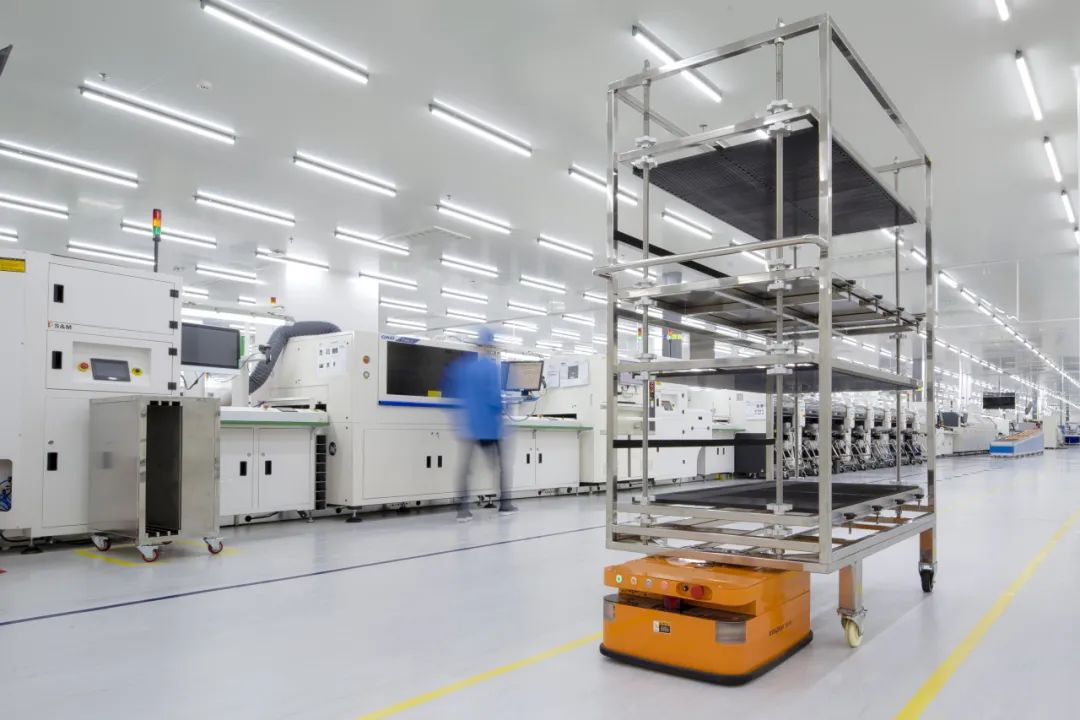
The global server supply chain is uniquely consolidated around the massive manufacturing technology clusters of China, particularly in the Shenzhen-Dongguan electronics ecosystem. For global procurement officers, system developers, and hyper-scale cloud architects, sourcing hardware from these industrial centers offers significant, structural competitive advantages. The primary strength lies in the local integration of high-density SMT (Surface Mount Technology) assembly plants, PCB production, custom component tooling, and raw metal fabrication facilities.
In traditional fragmented supply chains, sourcing a single customized component can add weeks of delays. Within our Shenzhen network, engineering adjustments to server chassis configurations, power supply configurations, or cooling blocks can go from CAD rendering to physical prototype testing in less than 72 hours. This rapid deployment capability is essential for modern enterprises rushing to adapt to new generative AI workloads and next-generation storage form factors.
Additionally, the localized manufacturing concentration reduces transport costs, improves raw material sourcing logistics, and creates access to a highly skilled technical workforce. This ecosystem allows manufacturers like NexCore to secure raw materials at scale, protect production plans from supply chain disruptions, and deliver enterprise-grade components at a competitive Total Cost of Ownership (TCO).
Complete configuration customization options matching multi-socket Intel Xeon Scalable and AMD EPYC architectures. We adapt physical node boards, optimize PCIe lanes, and design flexible expansion options to support varying system needs.
Innovative liquid-cooling loops, high-CFM dynamic cooling fans, heat sink layouts, and customized chassis structures designed to manage system heat, preventing thermal throttling during sustained workloads.
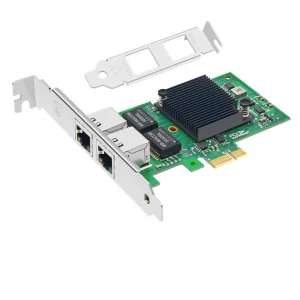
Broad range configurations of NVMe SSDs, PCIe expansion slots, and high-speed network interfaces (10G/25G/100G) designed to meet specific data processing requirements.
To support complex enterprise infrastructures, server solutions must be designed to meet the demands of their target industries. NexCore builds configurations optimized for key commercial applications:
1. Artificial Intelligence and Deep Learning Clusters: Modern training models require high-speed data exchanges between CPU, GPU, memory, and storage. Our specialized GPU-accelerated servers feature PCIe Gen 5 architectures and NVLink compatibility, allowing developers to manage deep neural networks and large language models (LLMs) with high processing speeds and minimal latency.
2. High-Frequency Trading & FinTech Applications: Financial systems depend on microsecond-level processing speeds and constant uptime. NexCore designs server management boards using low-latency network interface controllers (NICs), redundant hot-swappable power supplies, and automated failover systems to support 24/7 continuous operation.
3. Dynamic Edge Telecommunications: Deployments in remote or rugged environments require hardware built for durability. NexCore manufactures shallow-depth, ruggedized rack mounts that operate reliably under fluctuating temperatures and high dust levels, helping providers maintain coverage at the network edge.
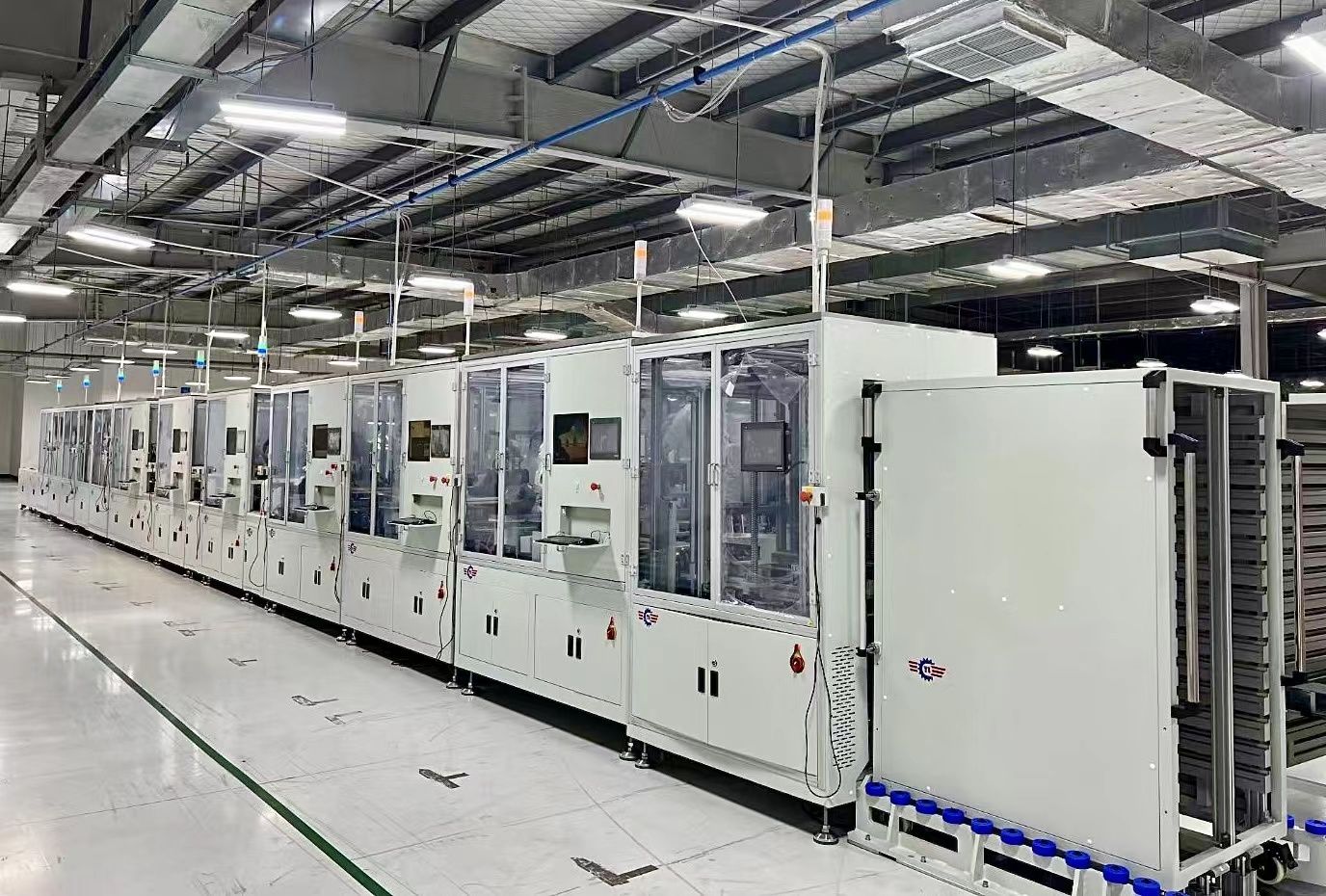
NexCore operates a complete quality testing system designed to meet demanding global standards. With 46 dedicated quality control inspectors, our testing process includes:
The server management industry is moving toward more automated and integrated operations. The use of traditional IPMI 2.0 interfaces is increasingly shifting toward RESTful Redfish APIs, allowing administrators to automate large-scale deployments through scripting and configuration platforms like Ansible. This change helps data center teams provision, monitor, and update thousands of bare-metal machines using consistent code structures.
Additionally, modern hardware designs focus on security. Hardware-based security features, such as silicon Root of Trust (RoT) on server management controllers, help ensure that only verified firmware is loaded. This protects systems from potential threats at the BIOS and UEFI level.
Sustainability is also a key factor in server configuration. NexCore integrates hardware-level telemetry, such as real-time power monitoring and temperature logging, into our server management platforms. This allows operators to adjust power usage dynamically and optimize cooling efficiency to reduce overall energy consumption.
When sourcing hardware from overseas factories, global procurement officers look for verified quality standards and regulatory compliance to ensure long-term reliability. We align our manufacturing processes to meet these key international expectations: