NexCore
NexCore
NexCore
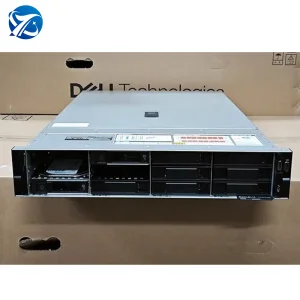
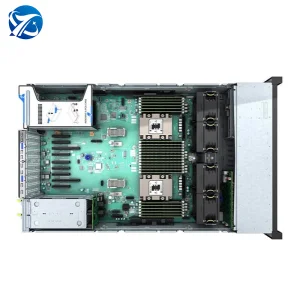
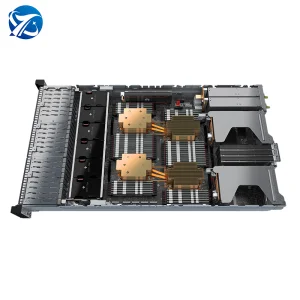
Deploy production-ready hardware specifically optimized for hosting MCU, WebRTC media servers, real-time video transcoding pipelines, and DeepSeek-integrated generative workspace engines.
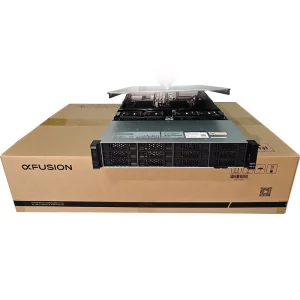
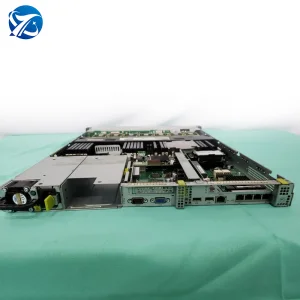
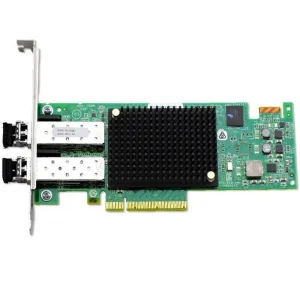
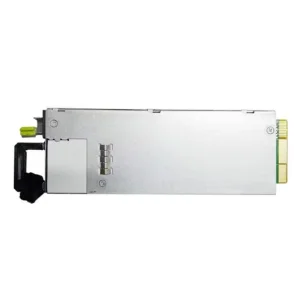
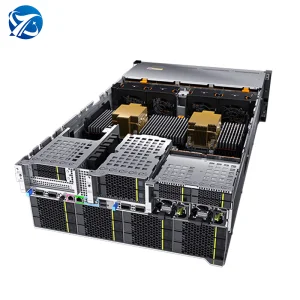
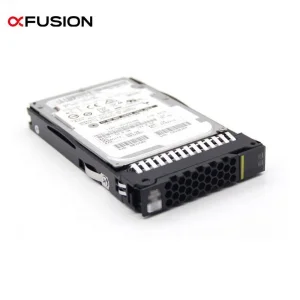
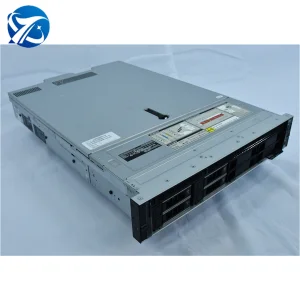
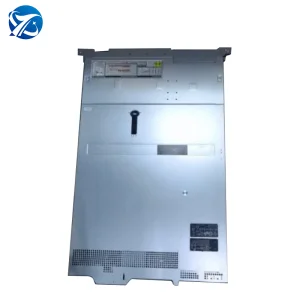
In an era of hyper-distributed workforces and advanced generative AI models, the global video conferencing industry is transitioning from basic point-to-point video connections to deeply integrated cognitive environments. Enterprise workspaces now require low-latency video feeds supported by robust datacenter server architectures to process real-time voice, video, translation, and automated summaries.
Real-time video processing is shifting toward AI-assisted enhancement. GPU-driven workloads optimize live virtual background segmentation, computational eye contact correction, and localized multi-language acoustic processing directly within the media routing nodes.
To reduce transmission latency and preserve central bandwidth, modern enterprise networks leverage distributed computing nodes. Hardware infrastructures must dynamically transcode AV1/H.265 streams at local edge aggregation centers.
Global operations require strict adherence to data protection standards (GDPR, HIPAA, SOC 2). NexCore's hardware integration layer supports hardware security modules, secure boot options, and dedicated local encryption pathways.
Established in 2017 and headquartered in the tech capital of Shenzhen, China, NexCore is a premier developer and manufacturer of high-performance GPU servers, AI training servers, storage solutions, and cloud computing architectures. We supply critical server infrastructure that drives modern real-time visual communications, large language model (LLM) processing, and enterprise communication pipelines globally.
Backed by over 9 years of industry experience and 6 years of international export expertise, we deliver enterprise-grade performance to data centers, cloud service providers, and unified communications integrators. Our production systems are configured to process high-throughput video workloads with minimized physical and latency footprint.
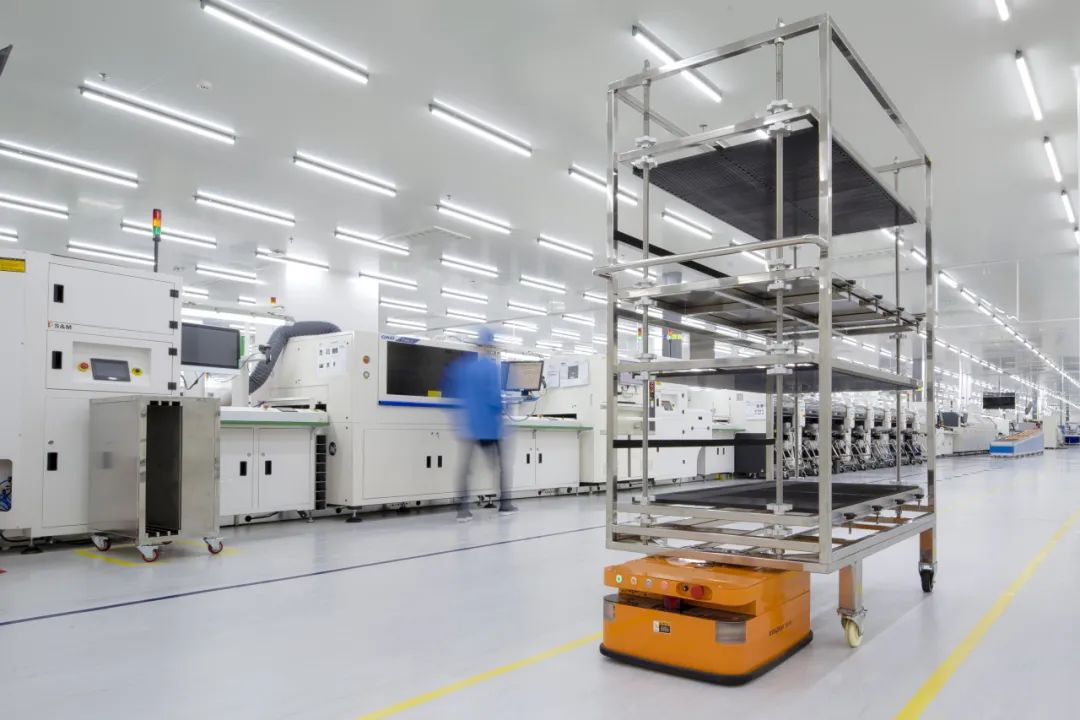
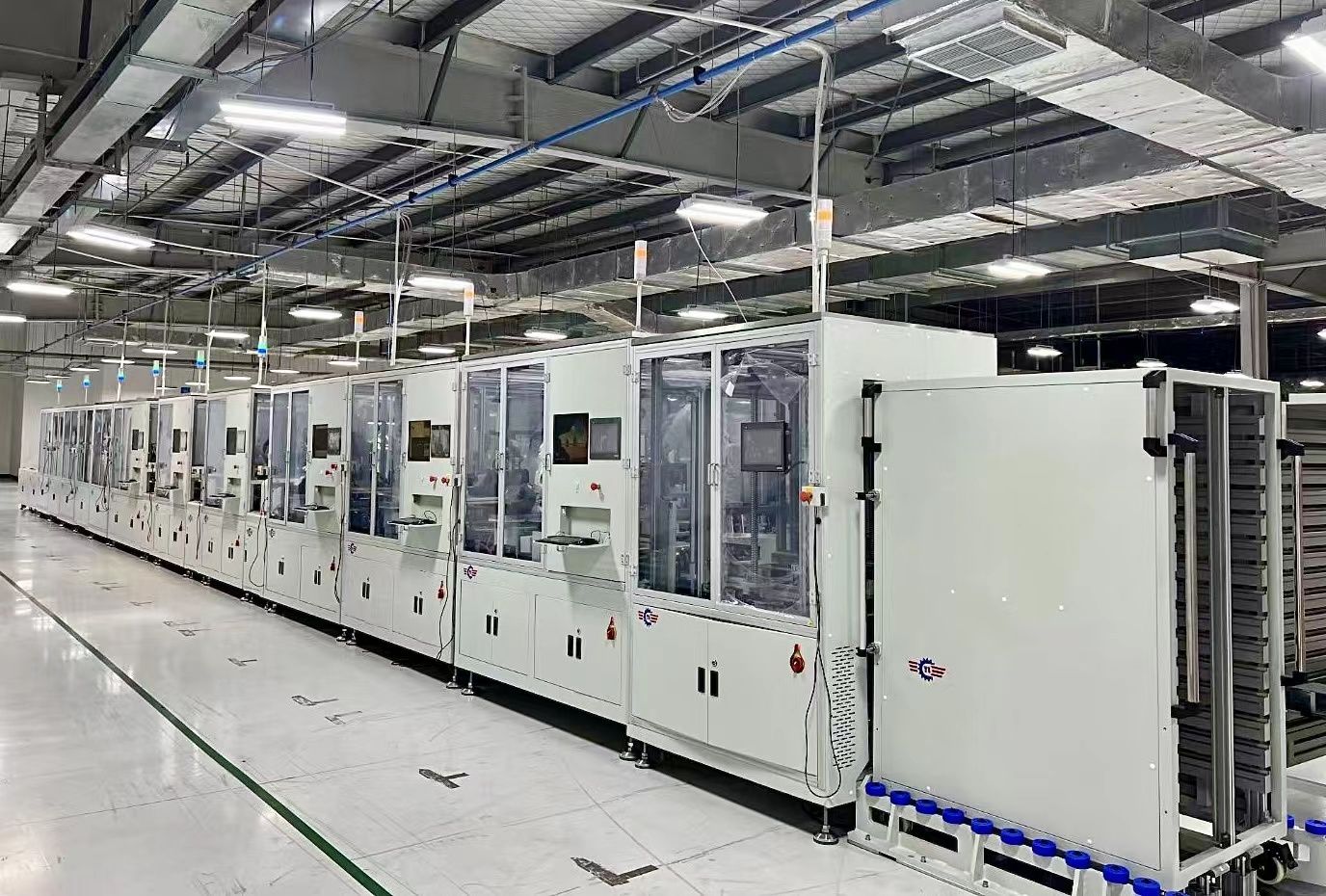
Operating a advanced processing facility in Shenzhen, we utilize a rigorous testing regimen comprising raw component validation, full system thermal stress tests, GPU performance benchmarking, and continuous burn-in phases. Our engineering team of 128 specialists continuously updates our product lineup, successfully launching 86 customizable server architectures this past year to address emerging AI-driven media demands.
We work in collaboration with over 1,250 verified supply chain partners to source high-grade components (including PCIe Gen 4.0/5.0 interfaces, high-efficiency Platinum power supplies, and Enterprise class storage arrays), ensuring constant operational continuity and delivery speed.
From high-frequency corporate boardrooms to distributed critical telemetry networks, modern video communications rely on specialized backend architectures configured to handle specific media workloads.
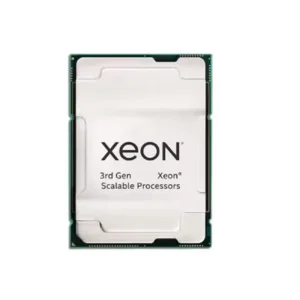
Large-scale global teams need highly reliable MCU (Multipoint Control Unit) infrastructures capable of routing hundreds of HD dynamic feeds simultaneously. High-reliability Xeon server platforms offer the core count and memory bandwidth necessary to maintain low packet loss and stable jitter margins.
Interactive classrooms leverage edge servers equipped with AI acceleration modules to automatically track lecturers, provide instant close-caption translation, and monitor virtual student engagement levels in real-time, requiring zero latency on host devices.
Medical networks require absolute visual clarity for remote triage. Our servers handle uncompressed medical camera feeds over secure, hardware-encrypted pathways, giving specialists the high-definition visuals required for diagnostics.
How we align server hardware with next-generation unified communications (UCaaS) software developments.
Transitioning to AV1 and H.266 algorithms reduces bandwidth usage by 30% compared to legacy H.264 streams. However, this demands significantly higher processing overhead, which we address through hardware-accelerated transcoding cards and multi-socket CPU architectures.
Real-time integration of engines like DeepSeek allows video conferencing systems to generate automatic meeting highlights and coordinate follow-up items. NexCore supplies the high-speed NVMe storage arrays and GPU nodes necessary to run these localized LLMs at low latencies.
To handle thousands of web-based meeting requests simultaneously, modern networks deploy cluster servers featuring high-performance network interfaces (up to 100GbE / 200GbE) and low-overhead kernel configurations, preventing data bottlenecks.
Find answers to key technical considerations when scaling enterprise communication and video streaming platforms.
Configure high-density platforms to scale unified collaboration operations across multi-region server installations.