NexCore
NexCore
NexCore
High-performance network switches, AI-optimized servers, and enterprise-grade storage architectures built for scalable network topologies.
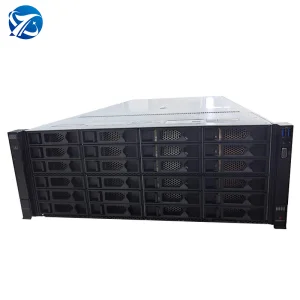
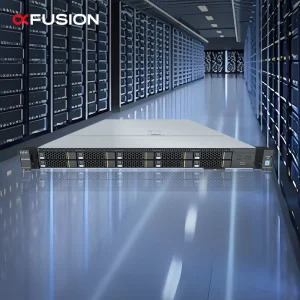
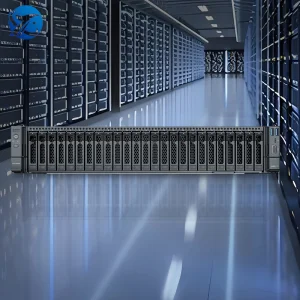
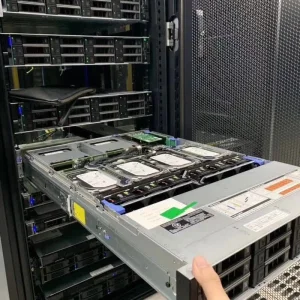
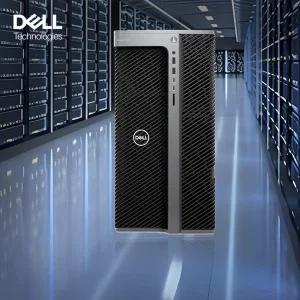
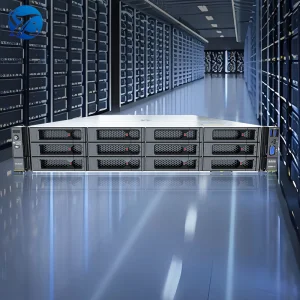
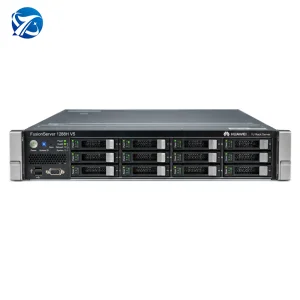
The global digital economy is undergoing a massive transformation driven by Artificial Intelligence (AI), Machine Learning (ML), and hyperscale cloud environments. At the heart of this physical infrastructure evolution sits the network switch. Modern networks are shifting away from traditional tree-like structures toward high-performance Leaf-Spine topologies to satisfy the requirements of east-west traffic patterns in contemporary data centers.
As throughput demands transition from 10G/40G architectures to 100G, 400G, and now 800G switch engines, manufacturers are pushing the boundaries of silicon capability. Application-Specific Integrated Circuits (ASICs) now feature advanced telemetry capabilities, allowing network operators to achieve real-time monitoring of packet drops, congestion signals, and network latency. Furthermore, the decoupling of hardware and software via Software-Defined Networking (SDN) and open-source operating systems like SONiC has democratized switch deployments, enabling global procurement officers to choose hardware platforms based on quality, supply chain stability, and cost-efficiency rather than proprietary software ecosystems.
"In the epoch of AI Large Language Models (LLMs), network packet drop is the absolute enemy of training efficiency. Even a 0.1% packet loss can degrade model training throughput by up to 50% due to packet retransmission overhead. Deploying high-throughput, low-latency, lossless network switches is no longer an option—it is a foundational imperative."
Chinese network equipment manufacturers have successfully ridden this wave of innovation. By utilizing advanced packaging technologies, integrating high-bandwidth memory, and developing robust cooling topologies, they have established themselves as key contributors to the global networking supply chain. Whether for local enterprises looking to set up standard Gigabit connections or hyperscalers routing massive data arrays across thousands of physical server nodes, Chinese exporters offer tailored solutions that combine industry-leading performance with outstanding hardware reliability.
When IT infrastructure managers and procurement directors evaluate networking switches, they base their decisions on a highly technical matrix of performance indicators, compliance standards, and economic metrics. The search for a reliable supplier extends beyond simple unit costs; it involves a holistic evaluation of the vendor's capacity to deliver long-term operational stability.
Energy efficiency has also climbed to the top of the procurement agenda. As data centers globally face stringent Power Usage Effectiveness (PUE) limits, the power consumed per gigabit of throughput has become a vital metric. Advanced switch designs leverage energy-efficient Ethernet standards, dynamic fan speed control based on thermal sensors, and state-of-the-art power components to reduce the carbon footprint of IT systems.
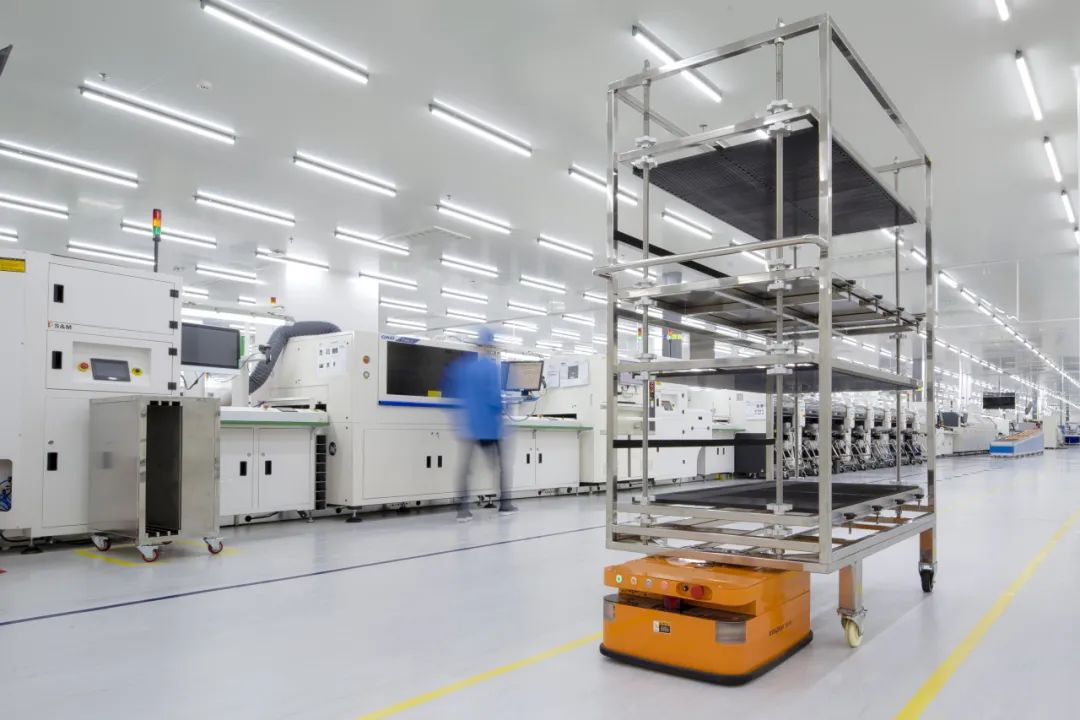
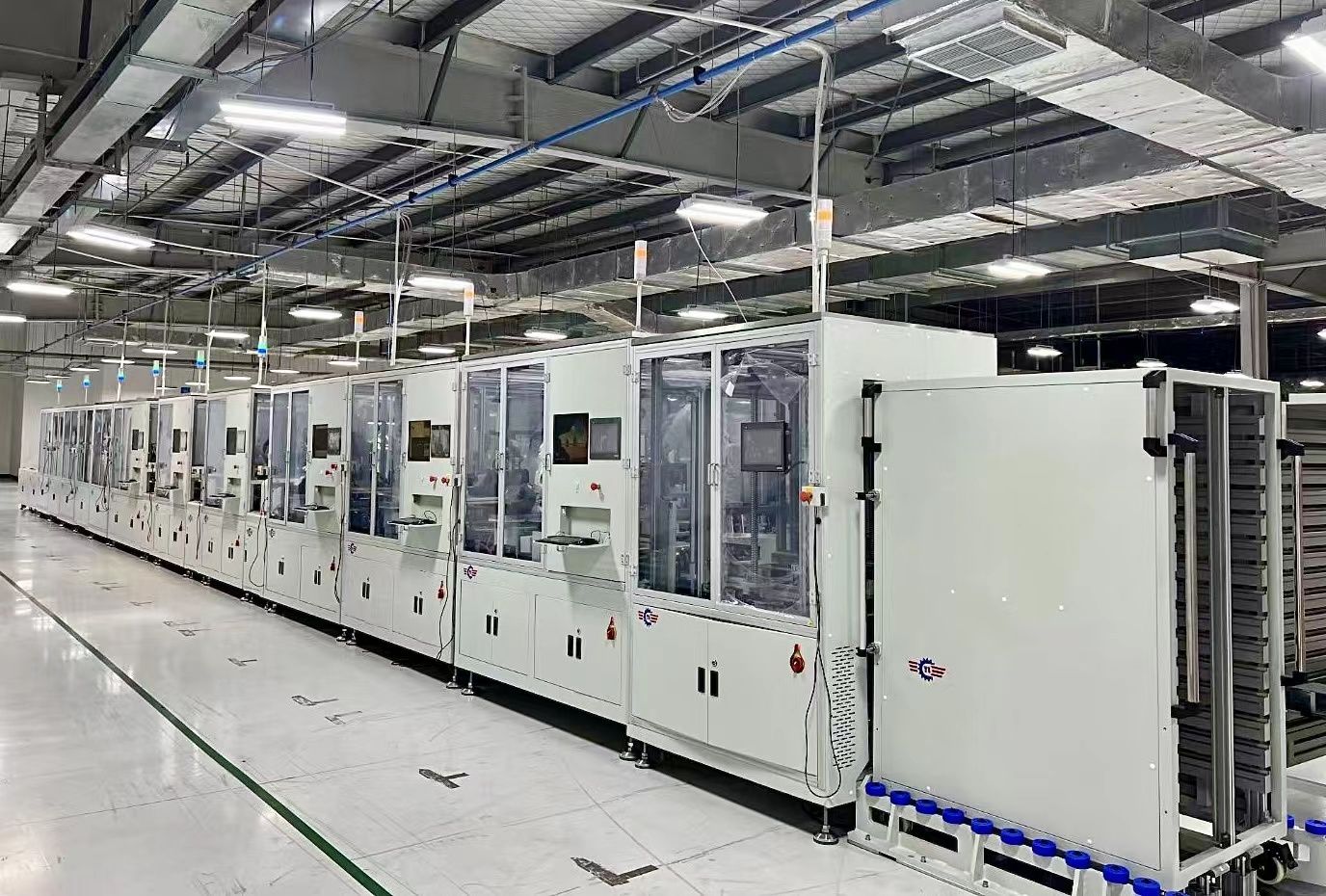
China's manufacturing prowess has evolved far beyond low-cost production. Today's "Factory 4.0" is defined by automated production lines, AI-based optical inspection systems, and comprehensive quality control frameworks. This infrastructure ensures that networking hardware manufactured in technology hubs like Shenzhen matches or exceeds global standards for build quality and performance.
By maintaining strategic partnerships with over 1,250 supply chain vendors, Chinese manufacturers can rapidly secure high-quality component materials, mitigating risks associated with semiconductor market volatility. Through strict component testing, system integration evaluations, thermal stress profiling, and long-term burn-in protocols, modern assembly centers guarantee that every switch, server module, or network interface card (NIC) shipped is fully optimized for continuous, heavy-load environments.
| Evaluation Parameter | Legacy Manufacturing Paradigm | Factory 4.0 Standards (e.g. NexCore) |
|---|---|---|
| Quality Management | Manual inspection of components on static workbenches | Automated Optical Inspection (AOI) & X-ray solder testing |
| Thermal Testing Protocols | Standard ambient heat runtime checks | Simulated high-heat chamber burn-in and thermal modeling |
| Supply Chain Procurement | Localized ad-hoc spot buying | 1,250+ long-term component partners for absolute raw materials stability |
| R&D Turnaround Time | 6–12 months for minor hardware updates | Dynamic engineering loops releasing dozens of new solutions annually |
Advanced networking switches and computational nodes are deployed across diverse verticals, each demanding customized configurations to handle unique data throughput and environmental challenges.
Modern AI computing facilities require enormous data pipes to link GPU accelerators, CPU complexes, and high-speed NVMe storage systems. Leaf-spine physical connections deploying high-density switches ensure that latency stays in the sub-microsecond range. This minimizes latency and maximizes GPU cluster utilization when processing deep learning networks or massive data pools.
Industrial manufacturing floors require heavy-duty switches that can withstand high vibration, wide temperature swings, and electromagnetic interference. These switches handle critical operations like real-time sensor monitoring, automated assembly control, and edge-to-cloud data ingestion without interruption.
Telecommunication carriers deploy modern carrier-grade switches to handle high-bandwidth applications, secure cloud storage pipelines, and massive enterprise network traffic, maintaining high uptime across geographical hubs.
NexCore Intelligent Technology Co., Ltd. is a professional AI server manufacturer and solution provider established in 2017. Headquartered in Shenzhen, China, the company operates a modern production facility covering 386 square meters and specializes in the design, development, and manufacturing of high-performance GPU servers, AI training servers, AI inference systems, HPC servers, and customized computing infrastructure solutions.
With over 9 years of industry experience and 6 years of export experience, NexCore has built a strong reputation for delivering reliable and scalable AI computing solutions to customers worldwide. The company achieved an annual export revenue of approximately USD 18 million and serves clients across North America, Europe, Southeast Asia, the Middle East, and Oceania.
NexCore maintains a strict quality management system with a dedicated team of 46 quality control personnel. All products undergo comprehensive testing procedures, including component inspection, system integration testing, thermal performance testing, burn-in testing, and final quality verification to ensure optimal performance and long-term reliability.
The company has established long-term partnerships with more than 1,250 supply chain partners, enabling efficient sourcing of premium components and ensuring stable production capacity. Its primary customers include AI solution providers, data centers, cloud service providers, research institutions, system integrators, and enterprise IT infrastructure companies.
Innovation is a core driving force behind NexCore’s growth. The company possesses strong in-house R&D capabilities supported by a team of 128 experienced engineers specializing in server architecture, GPU optimization, thermal design, and AI infrastructure development. During the past year alone, NexCore successfully launched 86 new products and solutions to meet the rapidly evolving demands of the artificial intelligence industry.
To support diverse customer requirements, NexCore offers flexible customization options, including chassis design, GPU configuration, CPU selection, storage architecture, networking solutions, branding, and OEM/ODM services. The company’s engineering team works closely with customers to deliver tailored AI server solutions optimized for machine learning, deep learning, large language models (LLMs), computer vision, and high-performance computing workloads.
Guided by the principles of innovation, quality, and customer success, NexCore is committed to becoming a trusted global partner for next-generation AI computing infrastructure and enterprise GPU server solutions.
Clear answers to technical, logistical, and design questions about modern Chinese networks and compute hardware.
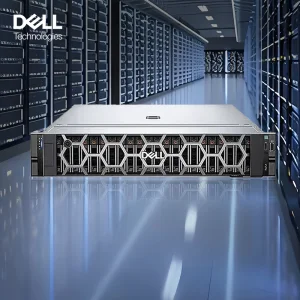
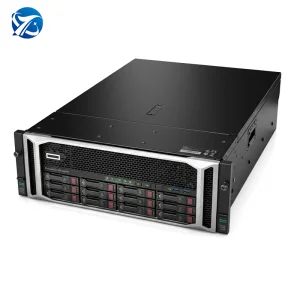
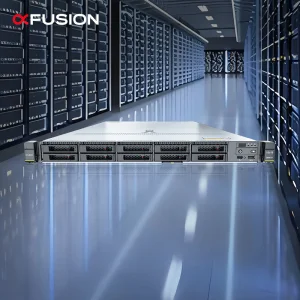
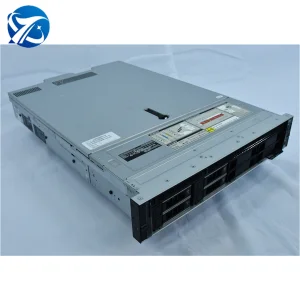
Scalable server systems, high-speed storage components, and network-ready nodes configured for enterprise operations.