NexCore
NexCore
NexCore
High-speed switching nodes, enterprise AI servers, and GPU cluster infrastructure solutions optimized for Next-Gen bandwidth deployment.
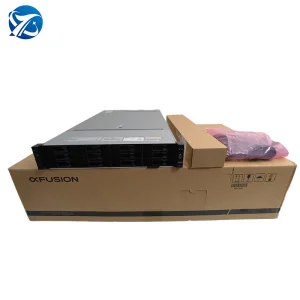
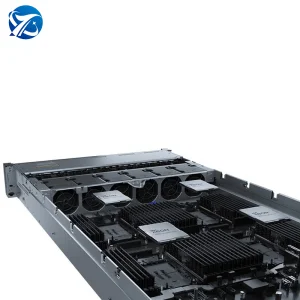
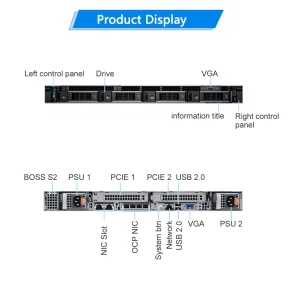
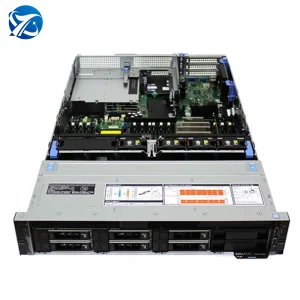
As global data architectures undergo rapid migration towards AI-driven computational models, the core demands on enterprise routers and network gateways have expanded beyond traditional packet switching. Modern systems require terabit-scale processing capacity, extremely low latency, and comprehensive, hardware-level cryptographic assurance.
Every digital workflow—from massive deep learning algorithms running on GPU clusters to decentralized edge installations—relies on seamless traffic forwarding and secure multi-tenant network separation. High-throughput routers serve as the backbones of these operations, bridging high-speed local fabrics (like InfiniBand and RoCEv2 networks) with wider commercial and industrial cloud channels. In this highly integrated environment, evaluating the leading hardware suppliers, exporters, and technical roadmaps becomes critical for long-term infrastructure planning.
A strategic overview of how routing technologies are adapting to support intense industrial and computational workloads:
An expert technical breakdown of the world's leading manufacturers shaping the modern enterprise networking, telecommunications, and hyperscale data center landscapes.
Cisco remains a cornerstone of enterprise networking, renowned for its Catalyst and 8000 Series routers. Leveraging proprietary Silicon One ASIC architectures, Cisco delivers high-density routing and switching platforms that unify service provider capabilities with enterprise campus requirements. Their robust software ecosystem, including IOS-XE and IOS-XR, offers extensive network programming capabilities, state-of-the-art telemetry, and comprehensive zero-trust architectures.
Huawei is a dominant global force in high-capacity telecommunication and enterprise routing solutions. Their NetEngine series, powered by custom Solar chipsets, provides high-density routing capabilities optimized for carrier networks, dense enterprise hubs, and critical public utility infrastructure. Huawei's strength lies in its extensive R&D investments, massive scale, and integration capabilities for large-scale, low-latency 5G backhaul and metropolitan area networks.
Acclaimed for the Junos OS and MX/PTX Series routers, Juniper is a preferred choice for hyperscalers, service providers, and large financial networks demanding carrier-grade reliability. Their custom Triton and Express ASICs deliver robust routing tables and advanced hardware-based security features. Juniper's recent focus on Mist AI brings advanced automated operations, self-healing routing features, and simplified configuration management to the modern enterprise WAN.
Arista is a pioneer in cloud networking, specializing in ultra-low latency switches and routing systems optimized for hyperscale data centers. Their Extensible Operating System (EOS) is built on a single-image, programmable, state-sharing database design. This design allows routers like the 7280R and 7800R series to offer unparalleled routing table density, deep buffer memories, and predictable forwarding performance for demanding cloud storage, AI training, and high-frequency trading workloads.
ZTE is a major global provider of telecommunications equipment and network infrastructure. Their ZXR10 series of routers delivers high-density, multi-service edge and core routing capabilities designed for telecom carriers and large enterprise environments. ZTE emphasizes green design, utilizing intelligent cooling control systems and energy-efficient silicon to reduce the total cost of ownership for long-term deployments in public and private data centers.
Nokia's IP routing division excels in the service provider and carrier routing domain, powered by their FP5 routing silicon. The Nokia 7750 Service Router (SR) series provides industry-leading port density, hardware-based encryption, and advanced traffic engineering. Nokia is a critical choice for mission-critical industrial networks, national telecommunications backbones, and large utility grids requiring uncompromising uptime and strict SLA adherence.
HPE Aruba specializes in edge routing, branch SD-WAN, and enterprise campus environments. Their EdgeConnect and CX routing/switching series focus on unified, software-defined WAN management and zero-trust security integration. HPE Aruba excels in providing robust orchestrators that simplify the deployment of thousands of branch routers, dynamically balancing traffic across multi-cloud paths while maintaining strict application-level performance metrics.
TP-Link is the world's leading supplier of consumer and SMB networking equipment by volume. Their Omada business line provides highly reliable, cost-effective routing and gateway solutions for small and medium-sized enterprises. TP-Link combines affordable hardware, user-friendly centralized cloud management controllers, and robust VPN capabilities, making high-performance networking accessible to retail chains, educational campuses, and distributed offices worldwide.
H3C offers a complete portfolio of digital infrastructure products, including enterprise switches, security appliances, and routers. Their CR and SR series routers are designed for digital government networks, financial services backbones, and corporate data centers. H3C stands out for its high integration of compute and routing, enabling customers to run localized edge containers and virtualized network services directly on the routing node.
Ruijie is a fast-growing supplier of enterprise networking solutions, specializing in high-performance switching, routing, and wireless networks. Their RG-RSR series routers deliver high performance and reliability for financial branch outlets, educational networks, and corporate campuses. Ruijie's solutions are highly regarded for their intuitive management interfaces and cost-to-performance ratio in developing regional markets.
A detailed comparison of routing categories and their primary application segments within the global networking ecosystem.
| Routing Segment | Primary Suppliers | Core Features | Target Workload / Environment |
|---|---|---|---|
| Carrier Core Routers | Huawei, Cisco, Nokia, ZTE | Terabit-scale ASICs, Segment Routing (SRv6), dynamic optical integration | Telecommunication backbones, national networks, metropolitan areas |
| Data Center Interconnect (DCI) | Arista, Juniper, Cisco, H3C | Ultra-deep buffers, EVPN-VXLAN, wire-speed MACsec encryption | Hyperscale cloud facilities, AI training clusters, financial centers |
| Enterprise Edge & SD-WAN | HPE Aruba, Cisco, Juniper, Ruijie | Zero-touch deployment, multi-path link steering, integrated firewalls | Distributed branch networks, healthcare campuses, retail outlets |
| SMB & Branch Gateways | TP-Link, Ruijie, H3C | Centralized cloud controllers, IPSec/SSL VPNs, value-optimized design | Small offices, schools, localized retail networks, edge deployments |
Exploring how optimized network architectures are deployed in real-world scenarios, from smart manufacturing to deep learning facilities.
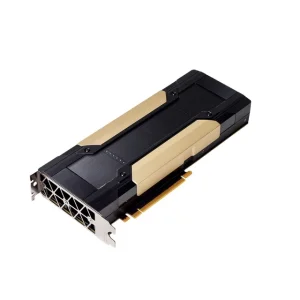
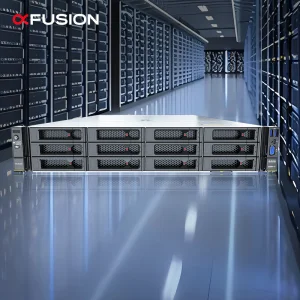
In modern AI datacenters hosting servers like the xFusion 2258 V7 or xFusion 2488H V7, routers must interface with low-latency Ethernet structures (RoCEv2). This integration ensures that GPUDirect communications between deep learning servers run without bottlenecking, avoiding packet dropouts that could derail multi-day training runs.
Industrial factories require extreme network reliability. Heavy machinery controllers, localized compute nodes, and monitoring cameras rely on edge routing gateways that can segment traffic, keeping mission-critical PLC traffic separated from surveillance data and office networks.
National banks and brokerage networks require highly encrypted, geographically redundant WAN paths. Routers deployed in these sectors utilize hardware-accelerated IPSec and active-active link steering (SD-WAN) to ensure customer transactions are routed securely without a millisecond of delay.
As technology marches forward, several primary vectors are redefining how routers and switches process enterprise data.
Silicon Photonics Integration: To overcome the thermal and physical limitations of traditional copper and optical transceivers, manufacturers are co-packaging optics (CPO) directly onto the routing silicon. This advancement drastically reduces power consumption per gigabit transferred.
Wi-Fi 7 & 8 Coexistence: At the access layer, multi-gigabit wireless routing demands high-capacity backhaul infrastructure. Modern enterprise gateways must seamlessly handle high-density client connections, routing traffic between 6GHz bands and high-speed fiber lines without local bottlenecks.
Post-Quantum Cryptography: With quantum computing threatening traditional public-key cryptosystems, next-generation routers are being designed with updated crypto-processors. These hardware components are capable of running quantum-resistant encryption algorithms directly at the line rate.
A look at upcoming standards and performance benchmarks for next-generation routing designs:
Understanding how the localized Shenzhen manufacturing ecosystem delivers reliable, highly customizable, and cost-effective digital hardware solutions to global markets.
As a professional AI server manufacturer and solution provider established in 2017, NexCore Intelligent Technology Co., Ltd. exemplifies the efficiency and adaptability of the Shenzhen high-tech manufacturing sector.
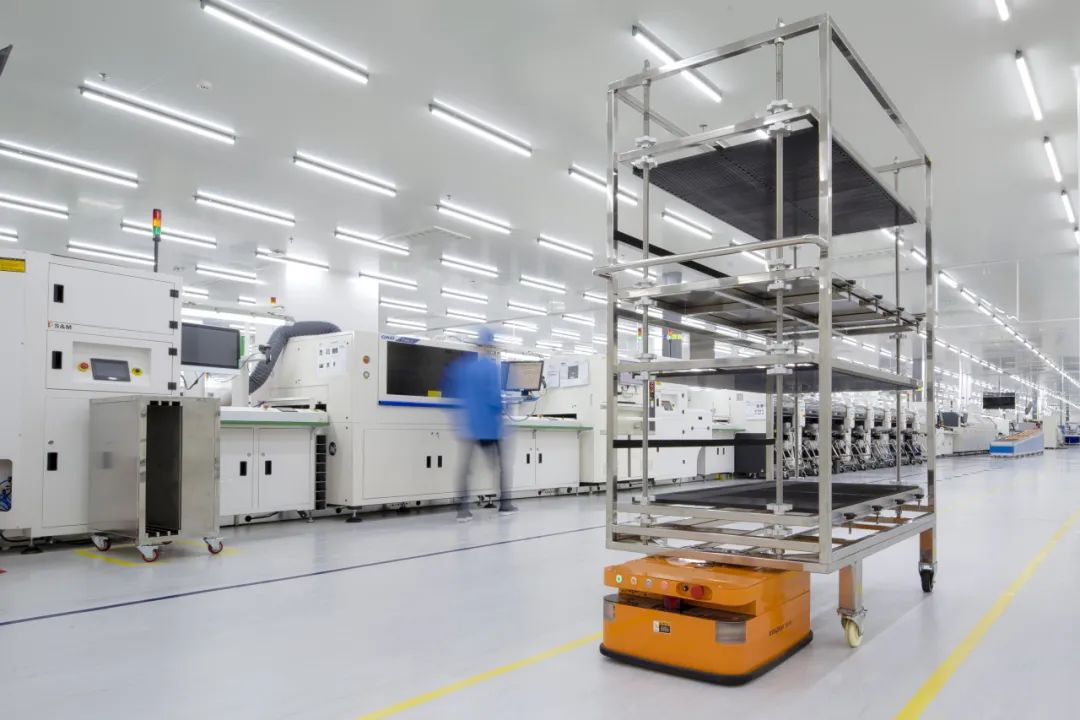
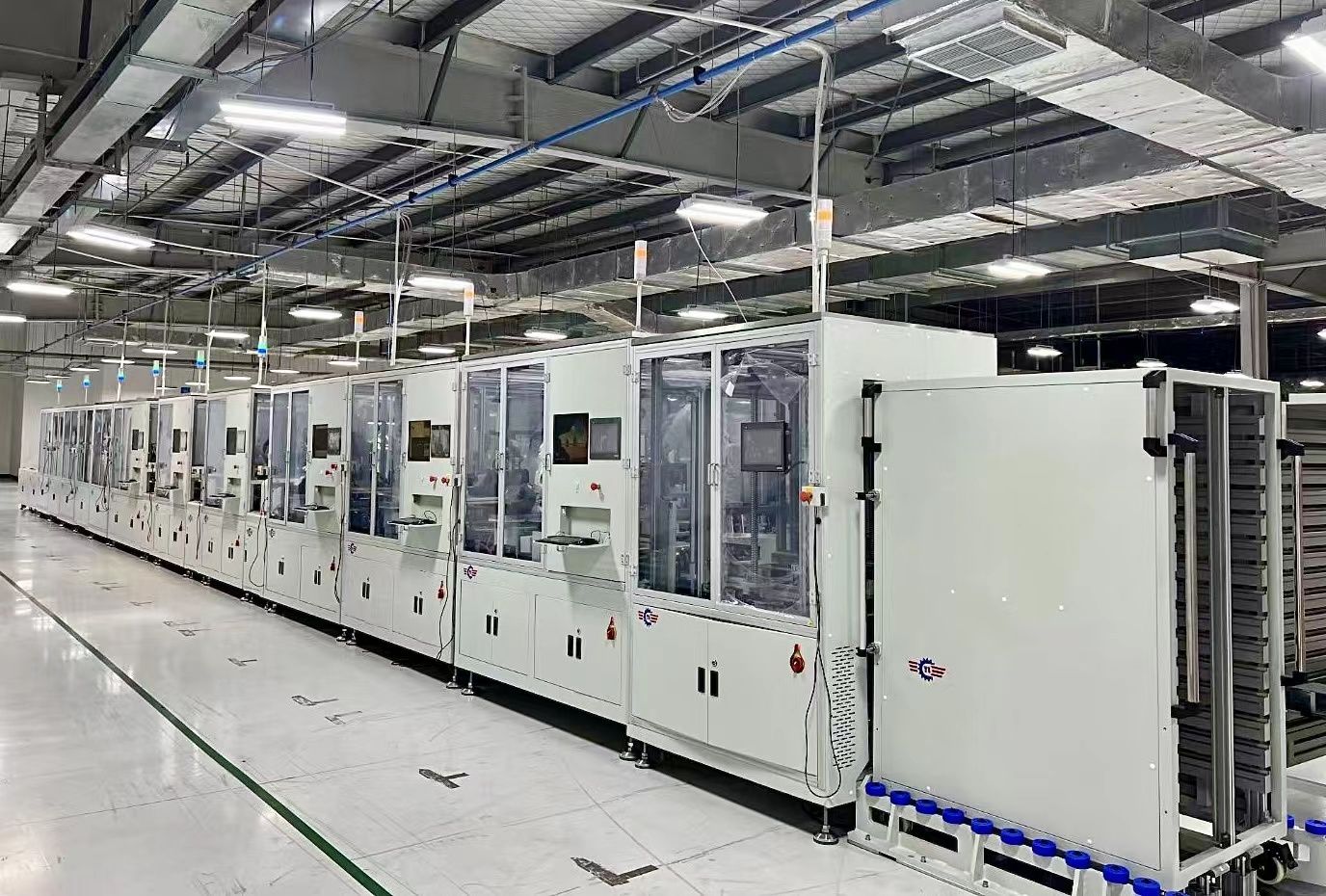
Headquartered in the global electronics hub of Shenzhen, China, NexCore operates a modern production facility covering 386 square meters. By specializing in the design, development, and manufacturing of high-performance GPU servers, AI training servers, AI inference systems, HPC servers, and customized computing infrastructure solutions, NexCore acts as a critical link in the technology supply chain. With over 9 years of industry experience and 6 years of export experience, the company has built a strong reputation for delivering reliable and scalable computing platforms worldwide, achieving an annual export revenue of approximately USD 18 million.
NexCore's ability to maintain a strict quality management system is supported by a dedicated team of 46 quality control personnel. All products undergo comprehensive testing procedures, including component inspection, system integration testing, thermal performance testing, burn-in testing, and final quality verification. These processes ensure optimal performance and long-term reliability. By partnering with more than 1,250 supply chain partners, NexCore ensures efficient sourcing of premium components and stable production capacity, even during volatile market cycles.
Innovation remains the core driving force behind NexCore’s growth. The company possesses strong in-house R&D capabilities supported by a team of 128 experienced engineers specializing in server architecture, GPU optimization, thermal design, and AI infrastructure development. During the past year alone, NexCore successfully launched 86 new products and solutions to meet the rapidly evolving demands of the artificial intelligence industry.
To support diverse customer requirements, NexCore offers flexible customization options, including chassis design, GPU configuration, CPU selection, storage architecture, networking solutions, branding, and OEM/ODM services. The company's engineering team works closely with customers to deliver tailored AI server solutions optimized for machine learning, deep learning, large language models (LLMs), computer vision, and high-performance computing workloads.
NexCore serves clients across North America, Europe, Southeast Asia, the Middle East, and Oceania. The company is committed to becoming a trusted global partner for next-generation AI computing infrastructure and enterprise GPU server solutions.
Deploying network and compute hardware globally requires absolute alignment with local regulatory environments and high-touch support services.
High-speed hardware exporters must adhere to stringent global safety and emission rules. This compliance includes obtaining FCC certification for North American markets, CE marks for European deployments, and RoHS compliance to satisfy environmental directives. Ensuring all hardware designs comply with these standards mitigates export bottlenecks and guarantees safe operational limits.
Global operations require hardware localization. This optimization ranges from matching local power grid demands (such as high-efficiency 240V configurations or DC power supplies for telecom hubs) to implementing custom BIOS firmware languages and custom rack railings designed for regional data center specifications.
To minimize downtime, enterprises require around-the-clock technical support. High-tier suppliers provide 24/7 engineering assistance, localized replacement part hubs, and remote diagnostic tools. These services ensure that network and compute nodes receive rapid servicing, keeping critical operational pipelines active.
Essential answers to key questions surrounding enterprise router choices, data center integration, and hardware sourcing.
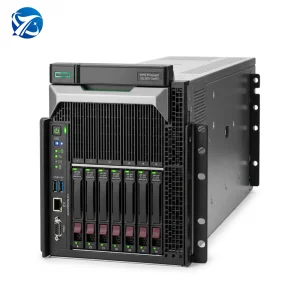
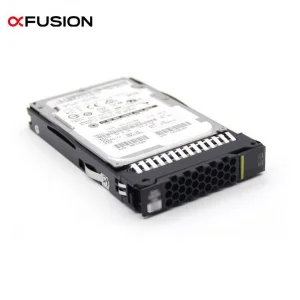
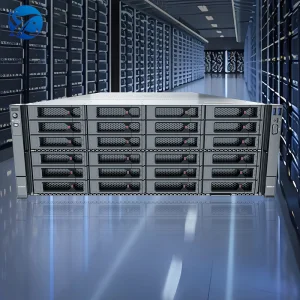
High-density storage drives, scalable compute nodes, and multi-socket server platforms engineered for heavy operational workloads.
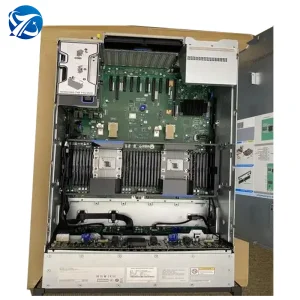
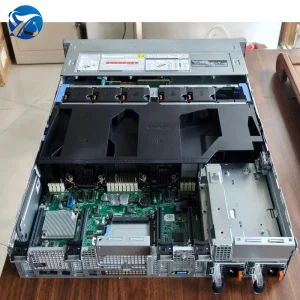
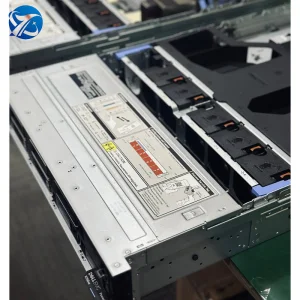
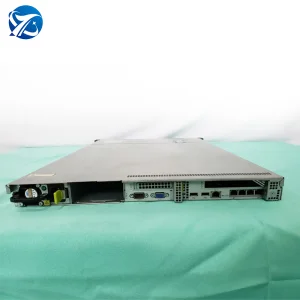
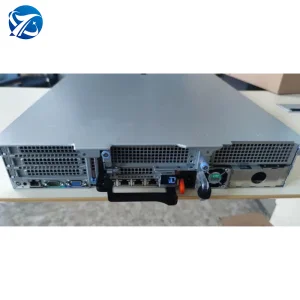
A look inside our specialized testing environments and structural manufacturing divisions located in Shenzhen, China.