NexCore
NexCore
NexCore
Explore high-performance 4-socket processors, intelligent AI data platforms, and dense NVMe storage solutions engineered for modern workloads.
Understanding the architectural shifts in enterprise storage, localized manufacturing ecosystems, and procurement paradigms for high-concurrency systems.
In the modern data-driven economy, data storage is no longer merely a passive repository; it is a critical computing engine. As artificial intelligence models scale from millions to billions of parameters, systems like DeepSeek AI and high-performance computing (HPC) networks place unprecedented workloads on standard IT backbones. The demand for robust server hardware, fast NVMe solid-state storage, and multi-socket processing architectures has skyrocketed. Companies looking to buy or deploy enterprise systems must navigate a complex ecosystem of global suppliers, specialized ODM/OEM factories, and stringent regional certification frameworks.
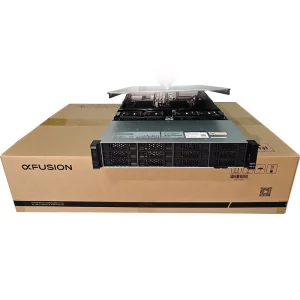
Historically, the market for enterprise servers and mass storage systems was dominated by traditional Western system houses. Today, however, the center of gravity for manufacturing, mechanical design, and system integration has shifted dramatically. Companies like xFusion (formerly Huawei's server division) and localized precision assemblers in China have optimized the entire product lifecycle—from PCB fabrication and custom chassis engineering to thermal design and unified management firmware (like the advanced iBMC systems). In this whitepaper, we dissect the core procurement factors, supply chain advantages, and technological innovations defining the Huawei-compatible storage and xFusion server market.
Professional server and storage architecture developer serving global data centers since 2017.
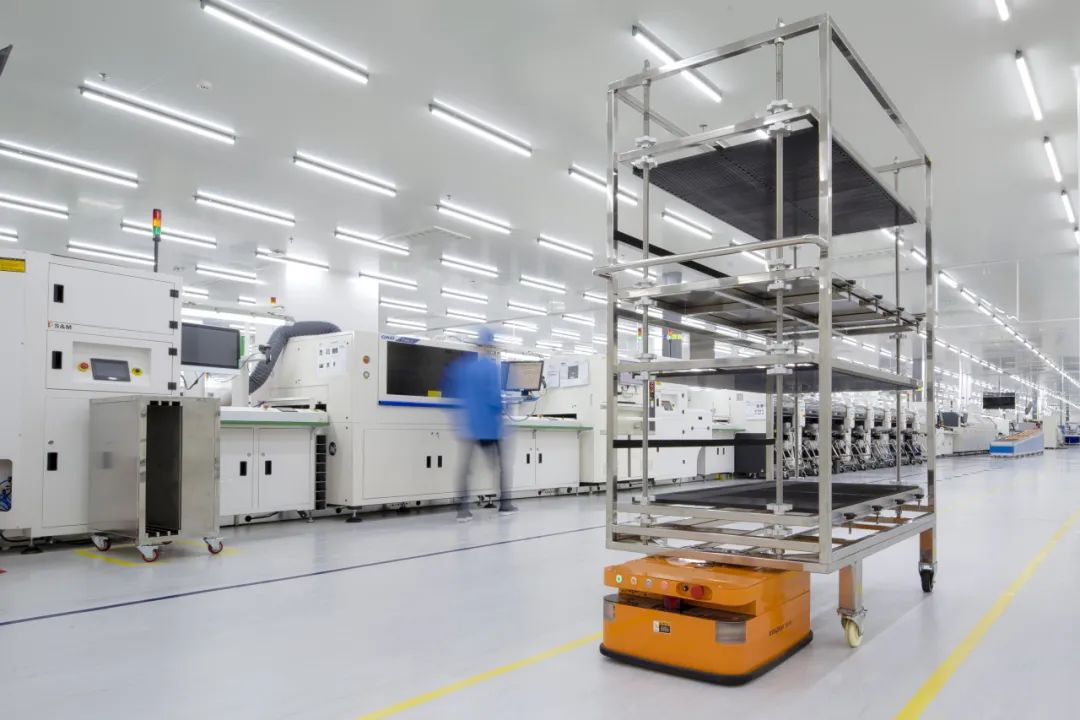
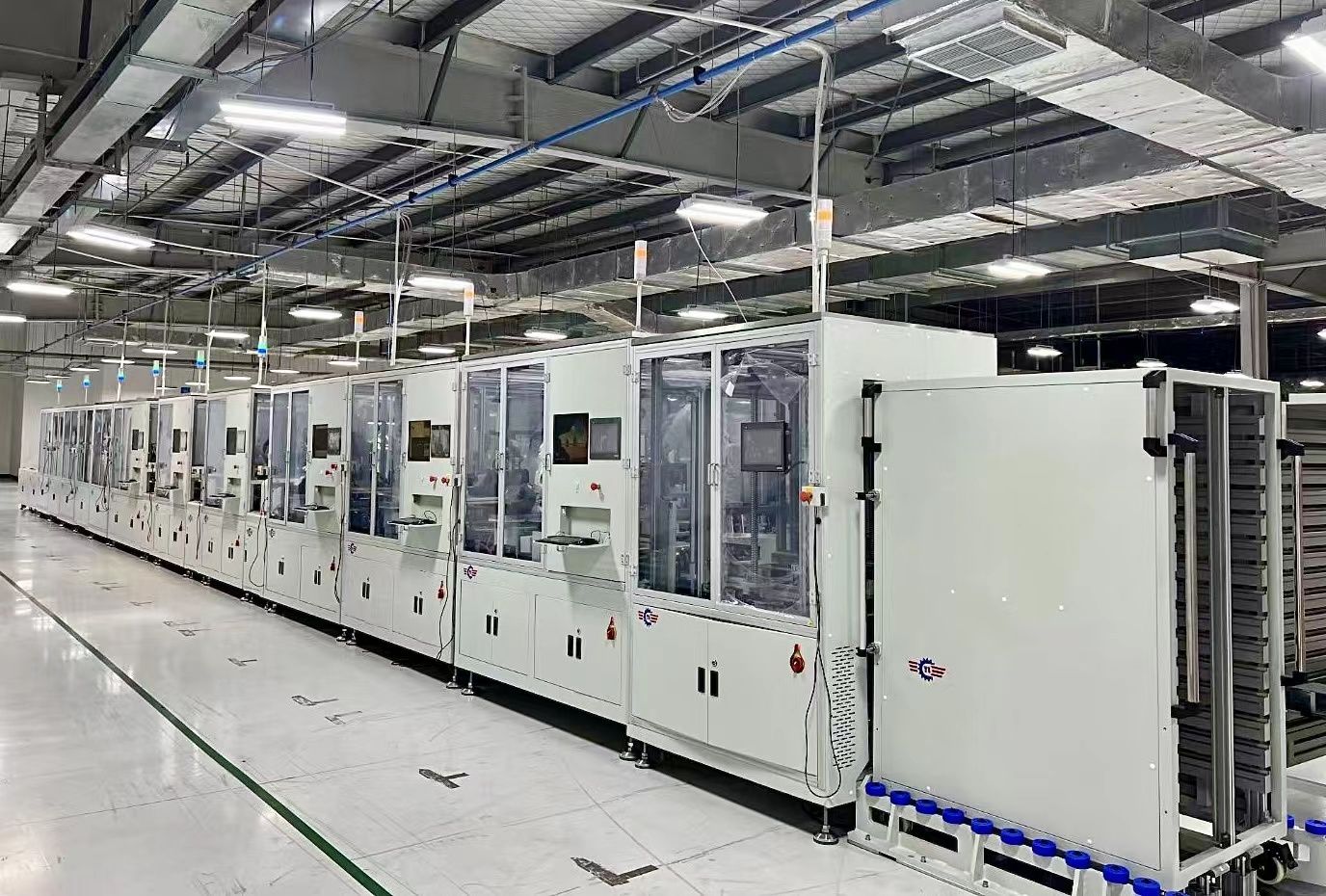
NexCore Intelligent Technology Co., Ltd. is a professional AI server manufacturer and solution provider established in 2017. Headquartered in Shenzhen, China, the company operates a modern production facility covering 386 square meters and specializes in the design, development, and manufacturing of high-performance GPU servers, AI training servers, AI inference systems, HPC servers, and customized computing infrastructure solutions.
With over 9 years of industry experience and 6 years of export experience, NexCore has built a strong reputation for delivering reliable and scalable AI computing solutions to customers worldwide. The company achieved an annual export revenue of approximately USD 18 million and serves clients across North America, Europe, Southeast Asia, the Middle East, and Oceania.
NexCore maintains a strict quality management system with a dedicated team of 46 quality control personnel. All products undergo comprehensive testing procedures, including component inspection, system integration testing, thermal performance testing, burn-in testing, and final quality verification to ensure optimal performance and long-term reliability.
The company has established long-term partnerships with more than 1,250 supply chain partners, enabling efficient sourcing of premium components and ensuring stable production capacity. Its primary customers include AI solution providers, data centers, cloud service providers, research institutions, system integrators, and enterprise IT infrastructure companies.
Innovation is a core driving force behind NexCore’s growth. The company possesses strong in-house R&D capabilities supported by a team of 128 experienced engineers specializing in server architecture, GPU optimization, thermal design, and AI infrastructure development. During the past year alone, NexCore successfully launched 86 new products and solutions to meet the rapidly evolving demands of the artificial intelligence industry.
To support diverse customer requirements, NexCore offers flexible customization options, including chassis design, GPU configuration, CPU selection, storage architecture, networking solutions, branding, and OEM/ODM services. The company’s engineering team works closely with customers to deliver tailored AI server solutions optimized for machine learning, deep learning, large language models (LLMs), computer vision, and high-performance computing workloads.
A multi-dimensional evaluation checklist for CIOs and IT procurement directors scaling enterprise arrays.
Large scale deployments demand strict lifecycle evaluation. Procurement directors analyze mean time between failures (MTBF) for high-wear components like the PM893 SSD Series and calculate the cost efficiency of keeping localized spare pools versus relying on international manufacturer warranties.
Modern infrastructure relies on hybrid clouds. Compute hardware must offer open API controls (e.g., Redfish, IPMI 2.0) to dynamically orchestrate hypervisors, VMware instances, Kubernetes clusters, and ERP backends without vendor lock-in.
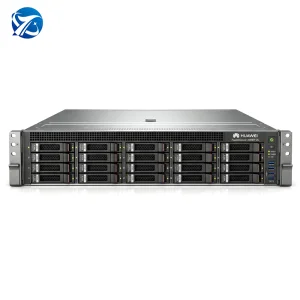
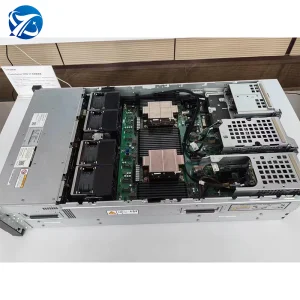
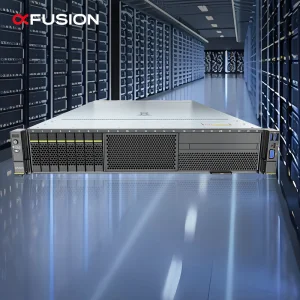
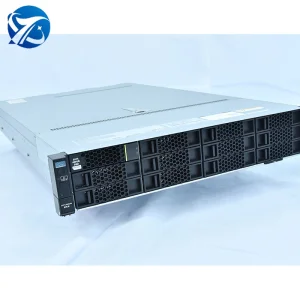
Mission-critical systems like the 2488H V5 4-Socket server must incorporate N+1 hot-swappable power supplies (CRPS), dual-active storage controllers, multi-path I/O routing, and error-correcting memory (ECC) to achieve 99.9999% uptime.
Ensuring cross-border compliance, regional certifications, and local technical assistance frameworks.
Operating a global IT infrastructure requires careful attention to regional regulatory differences. Hardware deployed in the European Union must strictly comply with GDPR data residency guidelines and bear the CE mark, ensuring conformity with health, safety, and environmental protection standards. Similarly, equipment destined for North American enterprises must hold FCC Class A verification to guarantee it operates within safe electromagnetic interference limits.
To manage geopolitical shifts and trade requirements, manufacturers like NexCore offer robust OEM customization options. By using custom-branded BIOS, non-proprietary motherboard architectures, and neutral management firmware, they help buyers mitigate regional compliance risks. These customized configurations integrate smoothly with standard open-source storage operating systems (like Ceph, TrueNAS, and OpenStack), avoiding dependency on proprietary software.
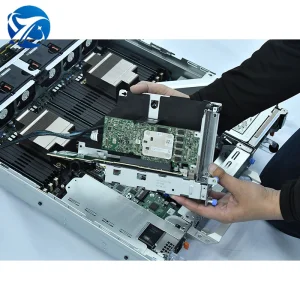
Furthermore, reliable manufacturers ensure smooth integration by maintaining regional parts depots and providing Level 3 engineering support worldwide. This localized support ensures that if a critical part fails (such as an NVMe boot drive, a high-density controller card, or a CPU heatsink), replacement parts are dispatched immediately. This minimizes downtime and aligns the hardware with enterprise SLA commitments.
How structural geographical cluster effects in Southern China lower manufacturing friction and accelerate R&D cycles.
Shenzhen's manufacturing hub provides direct access to high-frequency PCB fabricators, custom metal stamping facilities, and specialized cooling fan manufacturers. This geographic density keeps lead times for custom chassis designs short.
With dedicated QA teams performing real-time environmental tests (such as high-temperature burn-in chambers, multi-axis vibration tables, and automated memory diagnostics), units are verified for high reliability prior to export.
Unlike rigid Tier 1 global brands, Chinese OEM and ODM partners can quickly alter internal storage backplane layouts, modify power distribution boards, and program custom IPMI sensor thresholds to suit specific deployment requirements.
Detailed architectural breakdowns demonstrating where these high-performance compute and storage systems excel.
Core Requirements: High system memory capacity, extremely low read/write latency, and multi-socket CPU architectures.
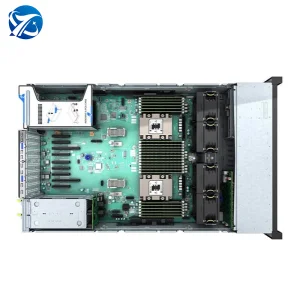
Implementation: Utilizing the 2488H V5 4-Socket server allows enterprises to scale system RAM up to several terabytes. This architecture enables massive ERP platforms (such as SAP HANA) to process high-concurrency transactional queries directly in memory, bypassing traditional disk read bottlenecks.
Core Requirements: High density GPU configurations, robust PCIe routing, and fast network file systems (NAS).
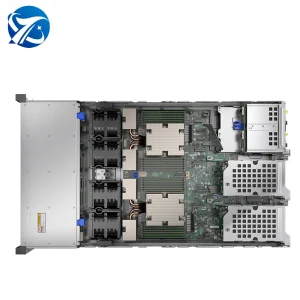
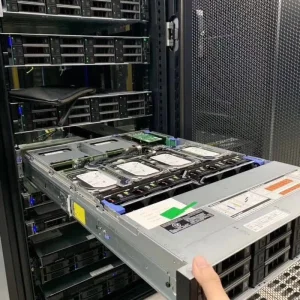
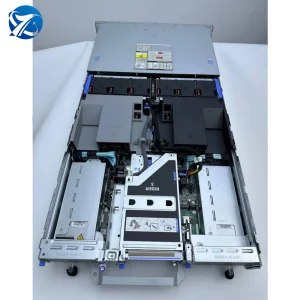
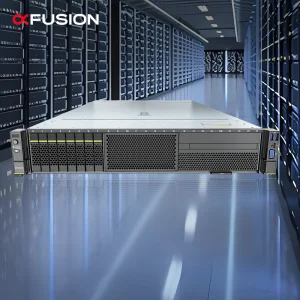
Implementation: Running workloads like DeepSeek LLM training requires platforms like the FusionServer 2288H V7. These models process large matrix operations, demanding high-throughput server backplanes that link GPUs directly to fast NVMe SSD storage arrays.
Core Requirements: Large drive capacity, hot-swappable bays, and energy-efficient cooling solutions.
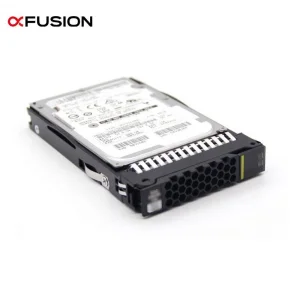
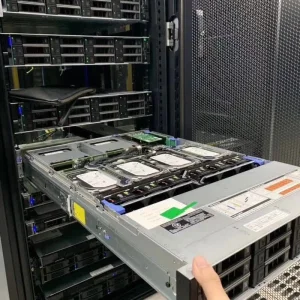
Implementation: For public and private cloud hosting, service providers deploy 2U servers equipped with SATA PM893 read-intensive SSDs. This layout optimizes power efficiency and thermal output while maintaining the IOPS performance required for virtualization.
The convergence of PCIe Gen 5, liquid cooling loops, and intelligent power management in modern datacenters.
The shift to PCIe Gen 5 doubles datapath bandwidth compared to Gen 4, enabling NVMe storage drives to reach read speeds up to 14 GB/s. This helps reduce bottleneck issues in high-performance computing clusters.
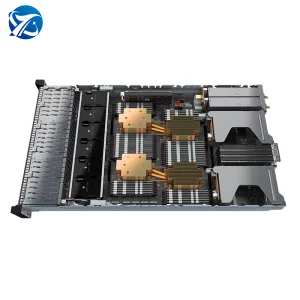
As processor thermal design power (TDP) exceeds 350W per socket, data centers are shifting from traditional air cooling to hybrid direct-to-chip liquid cooling systems to lower Power Usage Effectiveness (PUE) metrics.
Modern platforms rely on out-of-band controllers like Huawei's iBMC or custom BMC firmware. These systems use telemetry to monitor thermal profiles, balance fan speeds, and predict storage drive failures before they occur.
Modern data centers require dynamic power capping and high-efficiency titanium-grade power supplies to minimize energy waste during low-load periods, helping meet regional corporate sustainability goals.
Use these metrics when vetting Chinese manufacturers to ensure product quality matches your deployment SLA requirements.
| Evaluation Criteria | Required Standard | Strategic Importance |
|---|---|---|
| R&D Team Depth | Over 100 dedicated system and thermal engineers. | Ensures the manufacturer can resolve complex BIOS/BMC bugs and customize hardware layouts. |
| Supply Chain Partnerships | Direct access to more than 1,000 components suppliers. | Protects production schedules from delays and component shortages during global supply constraints. |
| Quality Control Personnel Ratio | QC staff should represent at least 15% of the total manufacturing workforce. | Helps ensure low DOA (Dead On Arrival) rates and reliable operation over long deployment lifecycles. |
| Testing Protocols | High-temperature burn-in chambers, multi-axis vibration, and diagnostic test loops. | Verifies server stability and physical durability under sustained, high-vibration datacenter conditions. |
| Certification Compliance | CE, FCC, RoHS, and UL safety standards. | Reduces customs compliance risks and simplifies deployment in highly regulated regional markets. |
Technical answers to common questions about server specifications, OEM capabilities, and procurement logistics.
Explore high-density compute nodes, customized storage drives, and thermal solution accessories.