NexCore
NexCore
NexCore
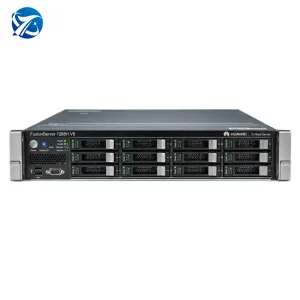
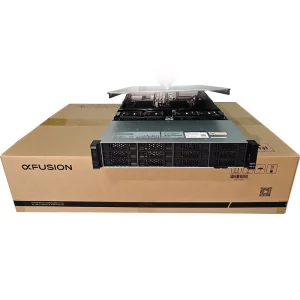
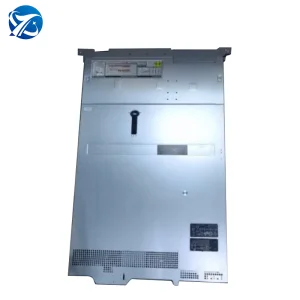
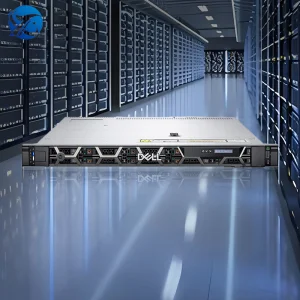
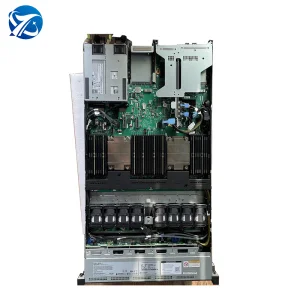
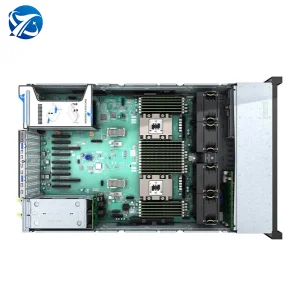
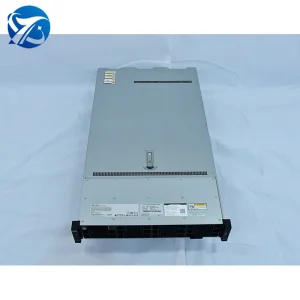
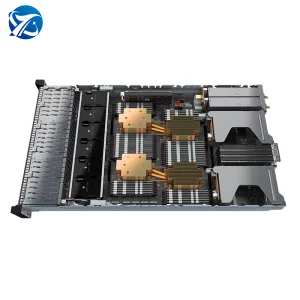
In an era dominated by large-scale AI training, deep learning workloads, and zettabyte-scale cloud storage, the hardware components underpinning the digital revolution are undergoing structural shifts. The global market for hard disk drives (HDDs) and solid-state drives (SSDs) is no longer driven simply by raw gigabyte capacity, but by input/output operations per second (IOPS) density, read/write endurance, thermal load profiles, and multi-tenant isolation protocols.
Modern data centers employ a hybrid topology: ultra-fast NVMe Gen5 SSDs serve hot training data lakes to minimize GPU idle time, while high-capacity SAS/SATA helium-filled hard drives manage historical datasets and cold archival workloads. Understanding this tiering is critical for infrastructure architects seeking to balance performance against high-capacity storage costs.
The manufacturing ecosystem is intensely consolidated. Three primary mechanical HDD OEM conglomerates command global manufacturing lines, while the NAND flash component sector is led by a tight group of Korean, American, and Japanese semiconductor giants. The value-add, customization, chassis mounting, backplane design, and structural integration occur within specialized system integrator clusters.
Global procurement teams often fail to evaluate the backplane bus interface and high-density thermal management systems. Real-world hard disk reliability depends not only on drive MTBF (Mean Time Between Failures), but also on server chassis vibration dampening, power supply stability, and active airflow configurations that dissipate drive heat under heavy server loads.
Shenzhen has evolved from a simple assembly hub to the nerve center of intelligent computing hardware engineering. Within a 50-kilometer radius, factories, R&D labs, and logistics networks interact to compress the product development cycle from months to weeks.
The primary advantage of sourcing storage servers and hard drive enclosures from Shenzhen factories lies in component density. Connectors, multi-layer printed circuit boards (PCBs), SAS controller ICs, voltage regulators, and high-frequency backplanes are manufactured in neighboring plants. This geographic density eliminates long transport lags, allowing manufacturers to customize computing hardware dynamically.
While Western integrations are restricted by standardized components, manufacturers like NexCore leverage deep relationships with thousands of supply partners. This allows them to source high-grade controller chipsets, solid-state chips, and mechanical components at scale. The cost efficiency achieved enables flexible customization—such as custom chassis form factors, dual-redundant PSU configurations, and custom firmware optimization for specific operating systems.
For enterprise procurement officers, purchasing directly from qualified manufacturers reduces intermediary costs and secures access to customization support. Below is an analytical directory of the leading storage exporters worldwide, categorized by specialization and technological competence.
Primary Strength: Industry leader in HAMR (Heat-Assisted Magnetic Recording) technology. High-capacity enterprise SATA/SAS mechanical drives (16TB to 30TB+).
Use Case: Ideal for high-density storage arrays, cloud hyper-scalers, and passive digital archiving systems.
Primary Strength: Dual leadership in both enterprise hard disks (Ultrastar series) and high-performance NAND flash SSDs (SanDisk platform).
Use Case: Suitable for mixed-tier enterprise storage systems requiring both performance cache drives and high-capacity backplanes.
Primary Strength: Superior value-to-performance ratio in nearline enterprise SAS and SATA disks. Excellent mechanical durability in multi-drive enclosures.
Use Case: Mid-tier data centers and enterprise NAS arrays requiring high reliability at a competitive price point.
Primary Strength: Advanced integration of high-performance GPU compute blocks, SAS/NVMe storage infrastructure, and thermal-optimized server configurations.
Use Case: AI training clusters, large language model (LLM) fine-tuning systems, and performance NAS configurations with deep customization requirements.
Primary Strength: Highly reliable rack-mount platforms with optimized storage density. Excellent hardware-level diagnostic and recovery features.
Use Case: Telecom operations, enterprise cloud clusters, and high-security virtualization host platforms.
Primary Strength: Large-scale production capacity for standardized server architectures. Strong presence in ultra-density storage configurations.
Use Case: Hyper-scale public cloud data centers and state-level supercomputing complexes.
Primary Strength: Global logistics reach and highly standardized product designs. Broad range of enterprise SAS storage expansions.
Use Case: Global enterprise IT systems requiring uniform deployments and on-site support contracts.
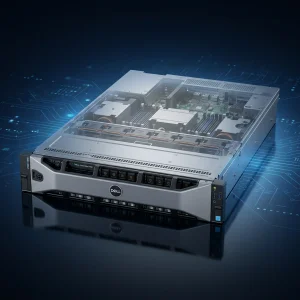
Primary Strength: Leading PowerEdge server architecture with modular storage backplanes and robust RAID controller firmware.
Use Case: Standardized commercial applications, business virtualization, and corporate SAN/NAS arrays.
Primary Strength: Focus on SSD manufacturing, OEM memory integration, and client-tier storage devices.
Use Case: Upgrading legacy rack installations and supplying localized flash arrays for distributed edge nodes.
Primary Strength: Leading silicon wafer developer of high-stack PCIe NVMe solid-state components.
Use Case: High-bandwidth databases, AI inference nodes, and mission-critical cloud compute pools.
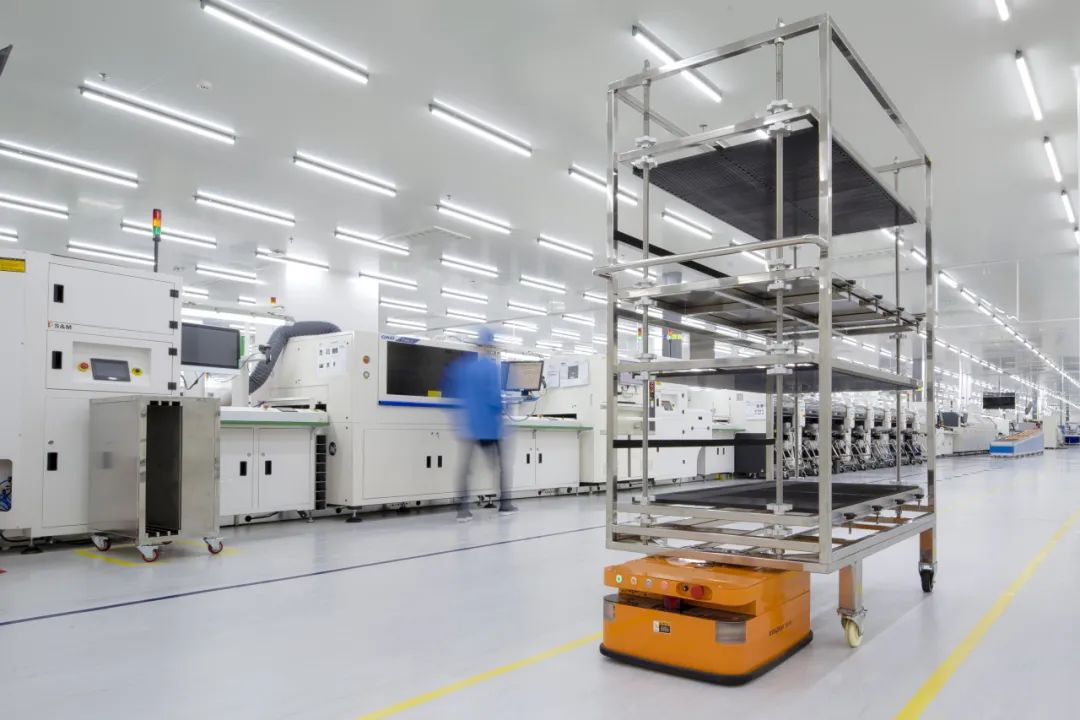
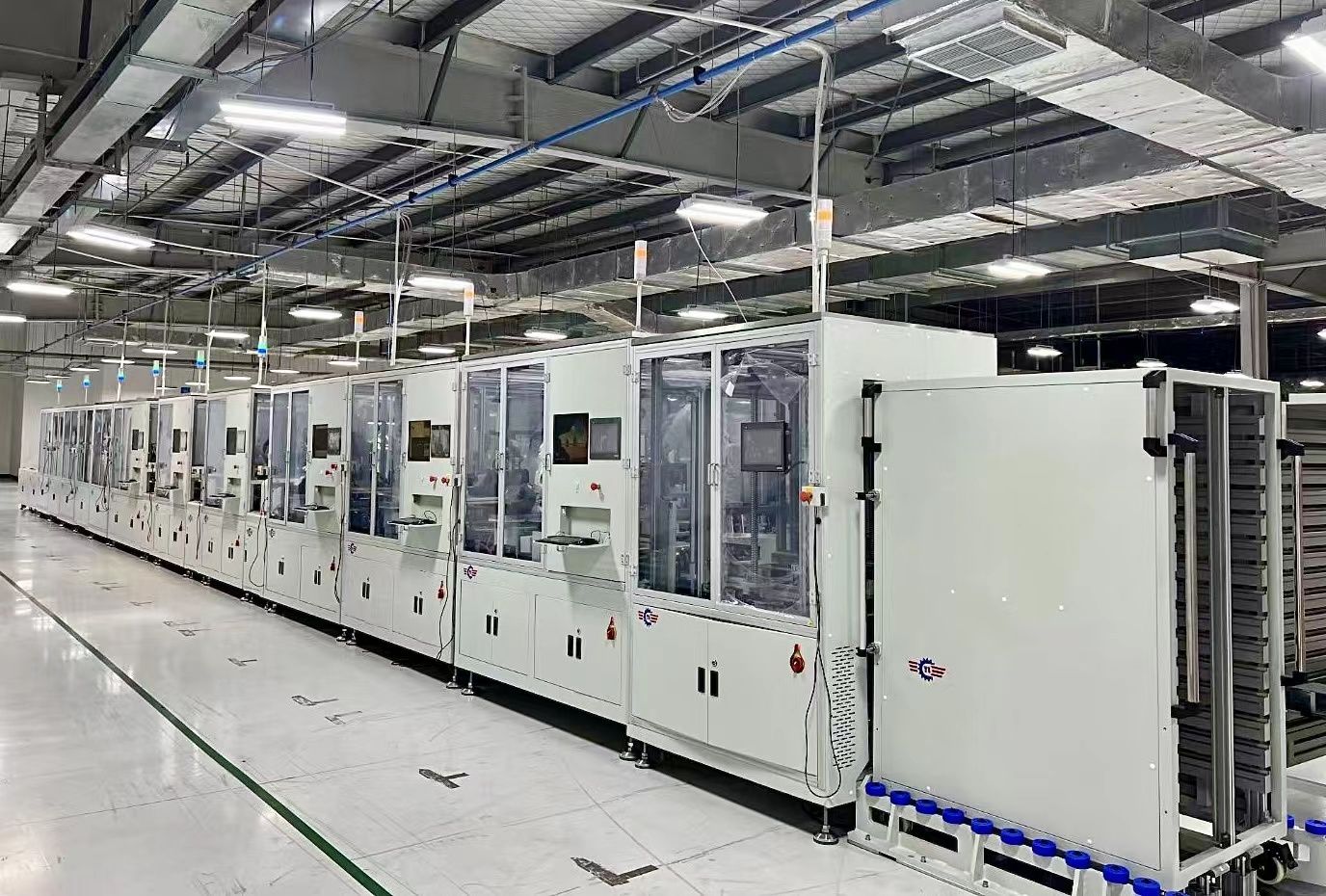
NexCore Intelligent Technology Co., Ltd. is a professional AI server manufacturer and solution provider established in 2017. Headquartered in Shenzhen, China, the company operates a modern production facility covering 386 square meters and specializes in the design, development, and manufacturing of high-performance GPU servers, AI training servers, AI inference systems, HPC servers, and customized computing infrastructure solutions.
With over 9 years of industry experience and 6 years of export experience, NexCore has built a strong reputation for delivering reliable and scalable AI computing solutions to customers worldwide. NexCore maintains a strict quality management system with a dedicated team of 46 quality control personnel. All products undergo comprehensive testing procedures, including component inspection, system integration testing, thermal performance testing, burn-in testing, and final quality verification to ensure optimal performance and long-term reliability.
To support diverse customer requirements, NexCore offers flexible customization options, including chassis design, GPU configuration, CPU selection, storage architecture, networking solutions, branding, and OEM/ODM services. The company's engineering team works closely with customers to deliver tailored AI server solutions optimized for machine learning, deep learning, large language models (LLMs), computer vision, and high-performance computing workloads.
Procuring the right hardware depends on your deployment environment. Selecting inappropriate hard drive profiles or backplane topologies can lead to performance bottlenecks or premature drive failures.
Hyper-scale storage nodes require SATA/SAS hot-swappable hard disk enclosures. These nodes rely on high-capacity nearline helium drives configured in RAID arrays to ensure fail-safe operations and lower power consumption per gigabyte.
Local NAS appliances for cross-departmental collaboration need hard drives featuring robust rotation vibration (RV) sensors. This feature protects the mechanical arms from resonance failures in multi-bay desktop or rack cabinets.
High-end GPU nodes demand direct-attached U.2/U.3 NVMe PCIe SSD configurations. Fast read rates prevent data ingestion bottlenecks, ensuring GPU training arrays are constantly saturated with training batches.
The interface between compute modules and storage arrays is shifting rapidly. The integration of advanced protocols is changing how procurement managers design their next-generation data storage architecture.
The transition to PCIe Gen 5.0 interfaces doubles the data throughput compared to PCIe 4.0. Enterprise NVMe storage drives now support data speeds up to 14,000 MB/s, critical for handling heavy AI workloads without system delays.
In mechanical storage, HAMR technology uses a laser diode on the recording head to temporarily heat the disk media. This allows writing data on smaller magnetic grains, pushing individual hard drive capacities past 30TB.
CXL is establishing a unified link between CPUs, memory systems, and storage devices. This protocol enables memory sharing across devices, reducing the latency associated with traditional storage system layers.
Procuring enterprise hardware requires strict quality validation. Using generic parts can lead to high failure rates under sustained loads. Use this structured methodology to evaluate storage hardware solutions.
Verify that your supplier uses controller chips from tier-1 manufacturers (e.g., Broadcom, Microchip) and high-quality NAND flash chips (e.g., Micron, Samsung). Unbranded components can experience severe read/write slowdowns and higher failure rates.
High-capacity storage drives and NVMe SSDs generate substantial heat. Ensure your server chassis has optimized fan configurations, dynamic fan speed controls, and balanced heatsinks to keep drive temperatures below critical operational thresholds.
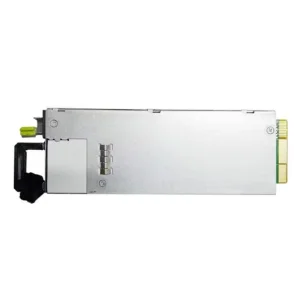
Ensure your storage system utilizes high-efficiency power supplies (such as 80 Plus Platinum 900W, 1500W, or 2000W units). Clean, stable electrical input is critical to protect drive electronics and prevent data corruption during peak storage operations.
Below are technical answers to common questions asked by system engineers, procurement managers, and data center administrators.