NexCore
NexCore
NexCore
Deploy computing power right where you need it. Discover our professional hardware lines, ranging from ultra-dense rackmount architectures to local compute devices.
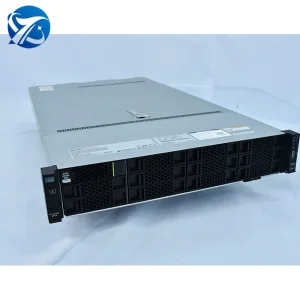
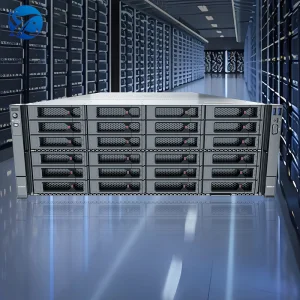
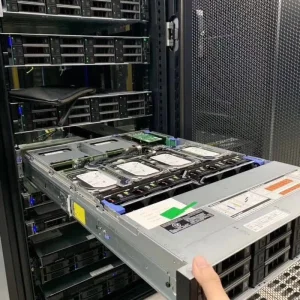
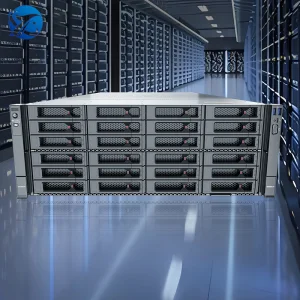
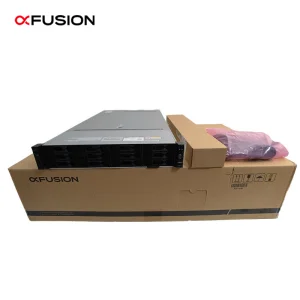
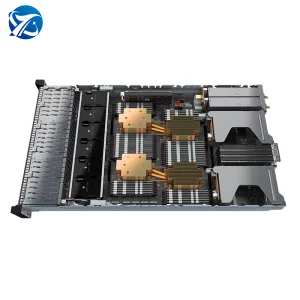

In the rapidly changing architectural space of enterprise IT, computing workloads are shifting from pure centralized cloud architectures to hybrid paradigms. Global enterprises now demand CE Certified Laptop systems and localized computational edge node devices that adhere to rigorous safety, electrostatic discharge, thermal efficiency, and electromagnetic compatibility frameworks.
This white paper explores how CE-compliant portable equipment and local server infrastructures (such as CPU/GPU platforms) serve as the vital link between massive remote operations and high-density industrial control pipelines. Our company, NexCore Intelligent Technology Co., Ltd., remains positioned at the forefront of this convergence, combining our extensive deep-learning infrastructure background with robust mobile hardware manufacturing.
Complying with the Low Voltage Directive (LVD) 2014/35/EU and EMC Directive 2014/30/EU to guarantee safe commercial and industrial operations across all EU member states.
Integrating deep thermal optimization benchmarks, modular upgradeability paths, and actual silicon architectures to optimize enterprise total cost of ownership (TCO).
Engineered for high-durability conditions. Laptops and mobile workstations designed to endure vibration, environmental humidity, and dust-heavy server control rooms.
Established in 2017, NexCore Intelligent Technology Co., Ltd. has developed into a leading designer, developer, and manufacturer of professional-grade computation hardware. Headquartered in the hardware innovation center of Shenzhen, China, we operate a specialized modern production facility extending across 386 square meters.
With over 9 years of industry experience and 6 years of export history, we have earned global trust by shipping over $18 million USD in annual exports. Our systems serve research institutes, healthcare facilities, AI solution providers, and system integrators across Europe, North America, Southeast Asia, Oceania, and the Middle East.
We manage a comprehensive quality infrastructure staffed by 46 quality control experts. Every computing device, laptop, and server chassis must undergo strict compliance testing, including signal integrity analysis, thermal chamber verification, burn-in stresses, and complete safety diagnostics.
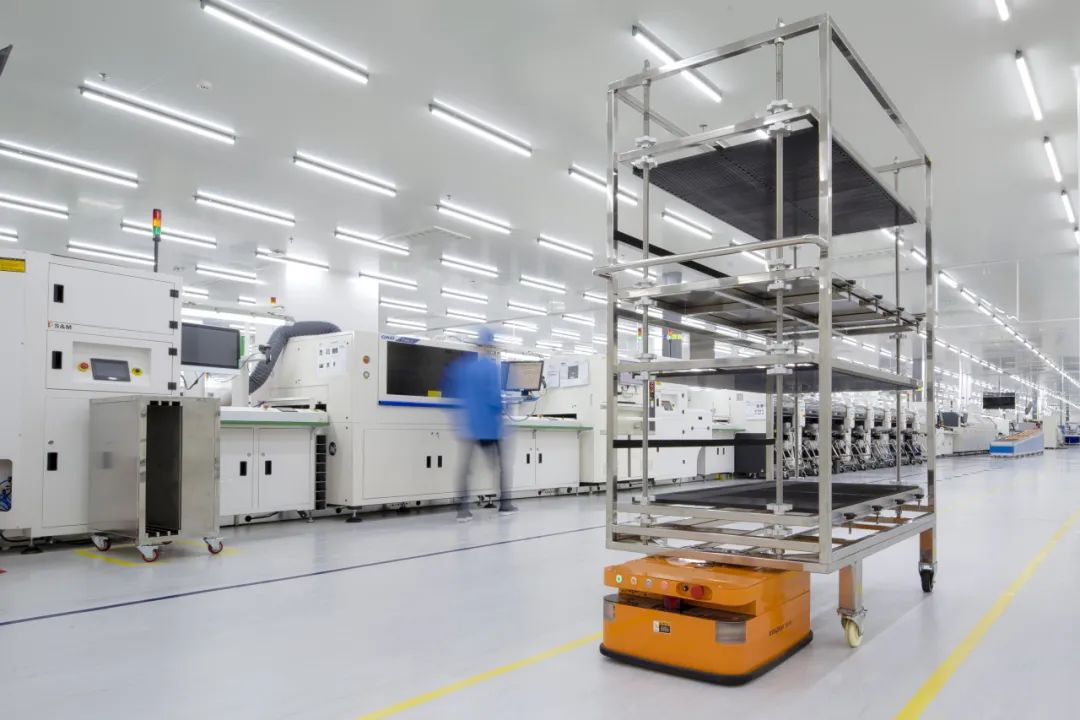
Laptop infrastructure requirements vary considerably depending on local regulatory environments, physical operating environments, and computational needs. Here are the primary application domains where CE Certified Laptops and portable workstation setups play a key role:
European hospitals require medical-cart laptops certified to EN 60601-1 standards. CE certified hardware guarantees low electromagnetic emissions, preventing interference with sensitive life-support systems while running local AI-assisted imaging workloads.
On factory floors, laptops serve as the primary human-machine interface (HMI). Our rugged CE-compliant chassis protect internal circuitry from electrostatic discharges (ESD) and high-voltage spikes, ensuring reliable control of heavy factory machinery.
For engineering operations in remote field sites, laptops must operate reliably in extreme heat or cold. Advanced thermal designs, long-life battery modules, and sunlight-readable screens ensure uninterrupted data collection in any environment.
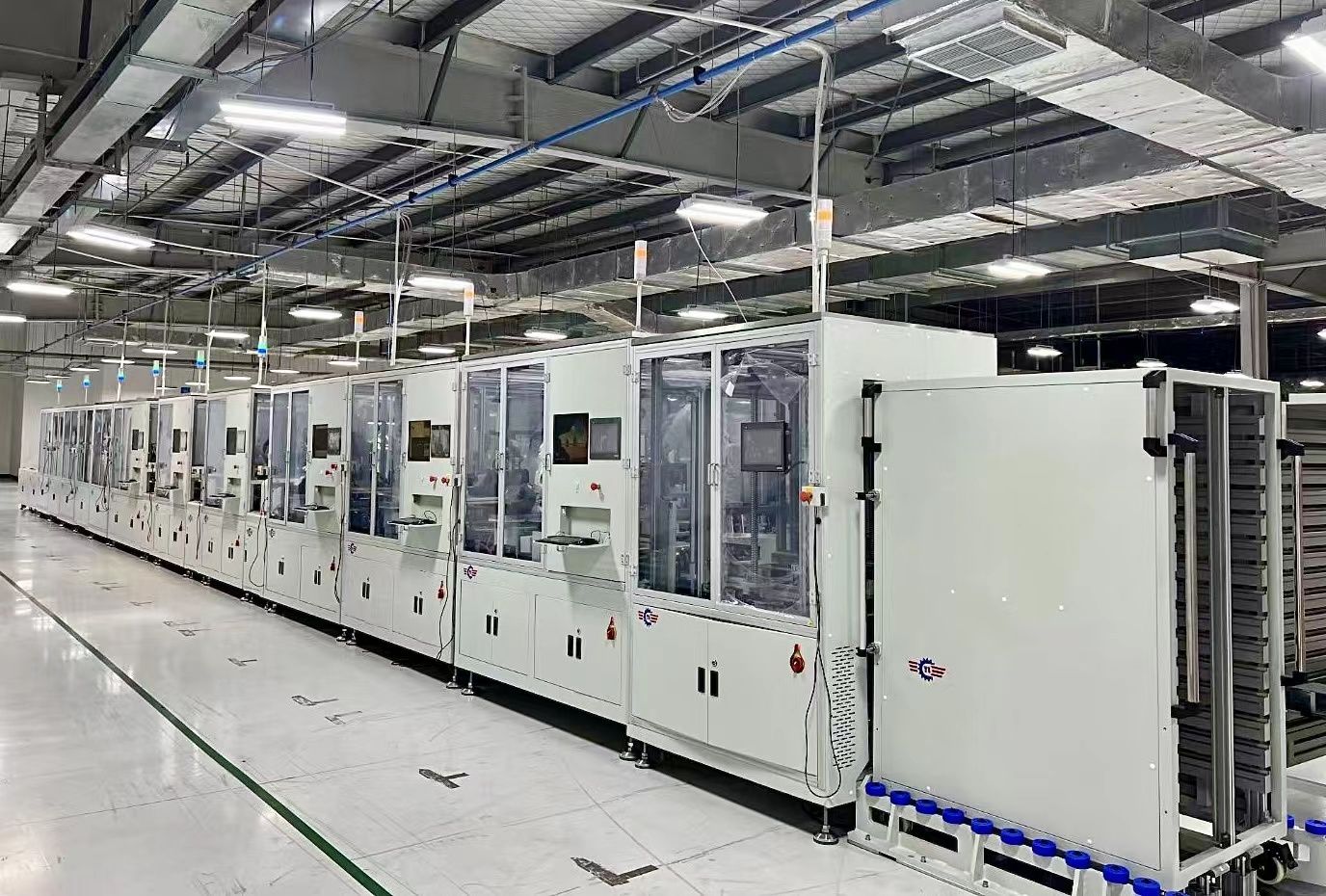
Shenzhen's electronic manufacturing ecosystem provides unparalleled structural advantages. By operating from this hub, NexCore leverages an extensive network of component suppliers to deliver high-quality, cost-effective hardware.
Our deep supply chain integration with over 1,250 certified partners guarantees rapid sourcing of high-grade components. This network includes key semiconductor fabricators, PCB assembly providers, and specialized thermal solution developers.
As remote work computing requirements and AI processing demand continue to rise, we are adapting our product roadmap to match the next generation of portable computing architecture.
Integrating dedicated Neural Processing Units (NPUs) into standard commercial laptops, enabling efficient local execution of Large Language Models (LLMs) and advanced data processing without cloud dependence.
Implementing graphene-based cooling layers and phase-change thermal interface materials to allow compact laptop chassis to handle continuous high-power compute workloads without performance throttling.
Developing fully modular designs where CPUs, memory, and connectivity interfaces can be upgraded independently. This design extending hardware lifespans, reduces electronic waste, and simplifies maintenance.
Expanding into international markets requires deep knowledge of local regulatory standards. Our dedicated engineering and compliance teams ensure all shipped devices conform to regional safety and environmental laws:
Our hardware is fully tested to meet the requirements of EN 55032 (electromagnetic emissions), EN 55035 (immunity), and EN 62368-1 (audio/video/information technology equipment safety).
We screen all components to prevent the use of hazardous substances, ensuring complete compliance with the RoHS Directive 2011/65/EU and REACH regulations for environmental safety.
Through partnerships with local system integrators, we provide localized warranty support, component replacement services, and on-site engineering consultations to reduce operational downtime.
Find answers to common questions about CE certification, customization capabilities, and global shipping policies.
Our systems meet the primary requirements of the European Union, including EN 62368-1 for product safety, EN 55032/55035 for electromagnetic compatibility (EMC), and RoHS Directive 2011/65/EU for material safety. Testing is conducted by ISO/IEC 17025 accredited laboratories.
Yes. We offer customization options including silk-screen logo printing, custom BIOS splash screens, specialized chassis paint, custom internal component layouts, and tailored connectivity configurations.
Standard prototype evaluations are ready in 7 to 10 working days. Production lead times for volume orders run between 20 to 30 days, depending on configuration complexity and raw material availability.
Every device is packed using double-reinforced cartons filled with anti-static EPE foam and enclosed in moisture-resistant barrier bags. Bulk shipments are securely palletized to prevent damage during long-distance air or ocean transport.
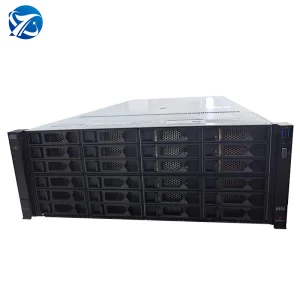
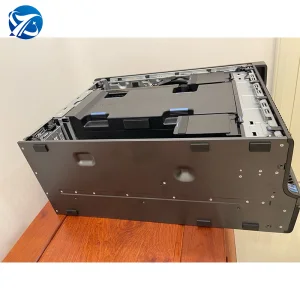
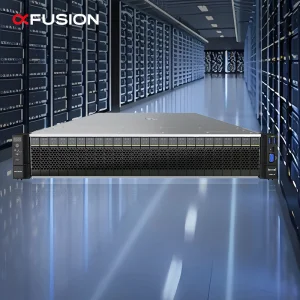
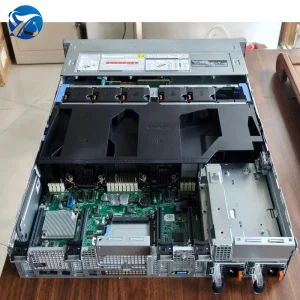
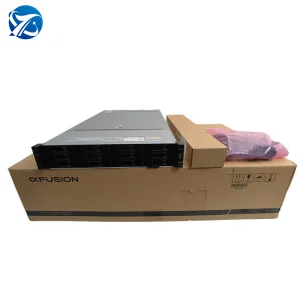
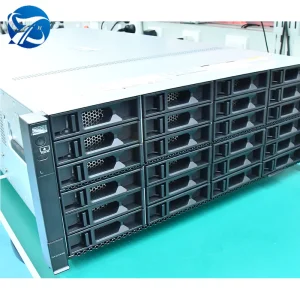
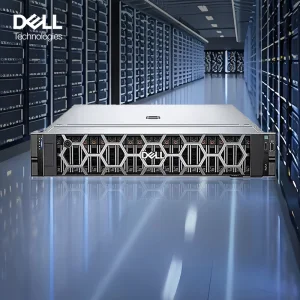
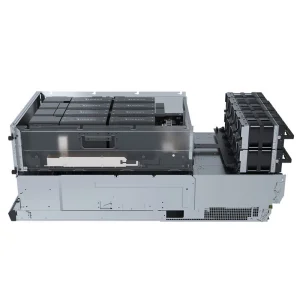
Complement your portable computing nodes with high-density server configurations designed for demanding enterprise applications and hybrid edge deployments.